29. December 2025
Admin
Chinese GPU Maker Zephyr Confirms RDNA 2 GPU Die Failures Due to Cracking and Shorting
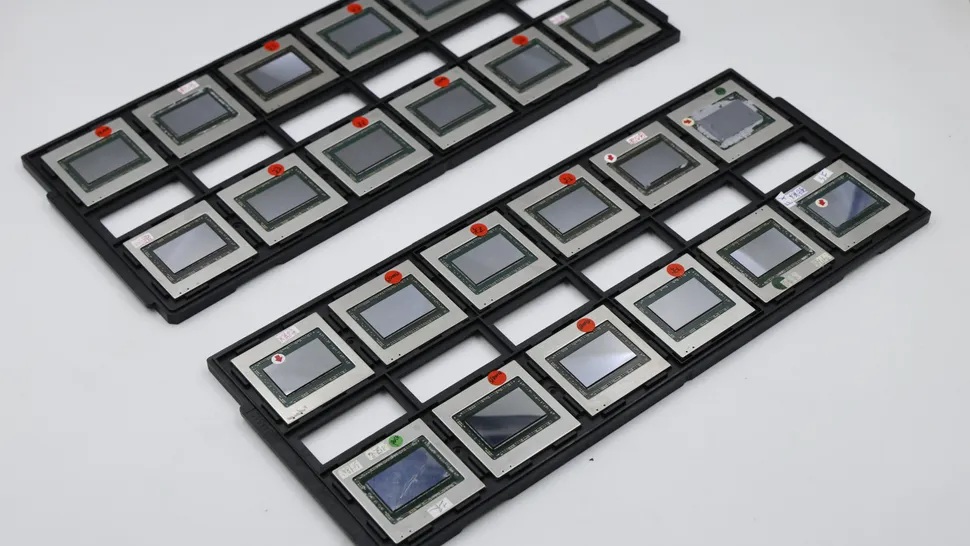
Chinese graphics card manufacturer Zephyr has confirmed widespread failures affecting RDNA 2–based GPUs, particularly high-end Navi 21 chips. According to the company, several GPU dies have failed due to physical defects such as cracking, bulging, and electrical shorting, prompting warranty replacements for affected customers.
Quick Insight:
Zephyr’s confirmation highlights growing concerns about long-term reliability in older high-performance GPUs, especially as hardware ages under sustained thermal and electrical stress.
1. Nature of the GPU Failures
• Affected GPUs showed visible physical damage at the silicon die level.
• Some chips developed cracks, while others exhibited bulging or complete electrical failure.
• These issues rendered the GPUs permanently non-functional.
2. GPUs and Architectures Involved
• The failures primarily involve RDNA 2 GPUs based on the Navi 21 core.
• This architecture powers high-end graphics cards such as the RX 6800 and RX 6900 series.
• These GPUs were originally designed for demanding gaming and compute workloads.
3. Zephyr’s Warranty Response
• Zephyr stated it has replaced multiple dead GPU cores under warranty.
• The company claims it did not reject affected units, even when the damage was physical.
• This approach contrasts with stricter warranty policies often seen in the GPU market.
4. Possible Causes Behind the Damage
• Prolonged exposure to high temperatures over time may weaken silicon integrity.
• Repeated thermal cycling could contribute to cracking and deformation.
• Electrical stress and aging components may also play a role in short-circuit failures.
5. What This Means for GPU Owners
• Owners of older high-end RDNA 2 GPUs may want to monitor temperatures closely.
• Proper cooling and stable power delivery remain critical for longevity.
• Warranty coverage and vendor transparency can significantly affect user experience.
Final Thoughts
Zephyr’s acknowledgement of RDNA 2 GPU die failures brings attention to the physical limits of aging high-performance silicon. While such failures are not universal, the company’s willingness to replace damaged chips underscores the importance of after-sales support in the graphics card industry.














.jpeg)