Arm Stock Takes a Hit as Qualcomm’s Moves Shake Up the Semiconductor Market
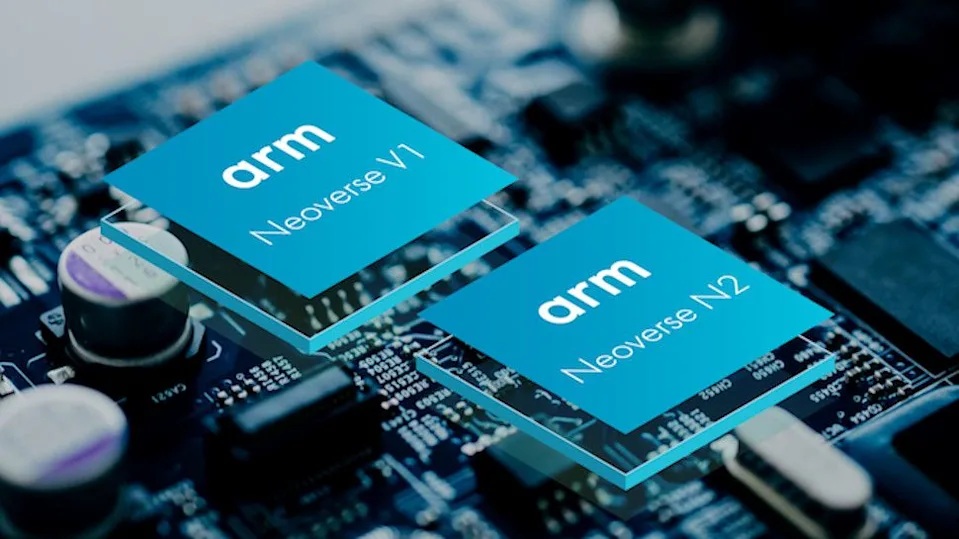
Shares of **Arm Holdings**, the British chip design firm whose architecture is used in billions of devices worldwide, have fallen sharply following industry developments that have shifted investor sentiment. The recent stock decline has highlighted broader concerns about Arm’s future growth and the competitive landscape facing the semiconductor sector.
Quick Insight:
Arm’s business is heavily tied to licensing its technology to chip makers. When major partners shift direction or new competitors emerge, it can quickly affect investor confidence — and in turn, the company’s stock price.
1. Why Arm’s Stock Slid
• Arm’s shares have declined notably in recent trading sessions after news that **Qualcomm acquired a prominent RISC-V chip design company**, signaling a possible shift in industry dynamics.
• This move sparked concern among investors that Arm’s architecture may face increased competition from alternative designs not based on its proprietary technology.
• In addition, broader chip sector volatility and profit-taking after earlier gains have contributed to downward pressure on the stock.
2. Qualcomm’s Strategy and Market Impact
• Qualcomm’s acquisition of a RISC-V specialist aims to deepen its capabilities in emerging chip architectures, potentially reducing reliance on Arm’s instruction-set licenses over time.
• Markets reacted positively to Qualcomm’s expansion plans, with its share price rising while Arm’s shares languished.
• Analysts view this as part of a longer trend where chipmakers explore diversified architectures to support next-generation AI, performance, and power-efficiency requirements.
3. Investors’ Broader Concerns
• Beyond specific headlines, semiconductor stocks like Arm have experienced volatility due to **expectations of slower growth**, valuation concerns, and mixed guidance from industry players.
• Arm’s guidance for future revenue and earnings has led some investors to question whether the company can sustain rapid valuation expansion without new catalysts.
• At the same time, legal disputes and competition issues between major chip firms have added a layer of uncertainty that weighs on market sentiment.
Final Thoughts
The semiconductor market is undergoing a period of strategic realignment as companies pursue different chip architectures and seek to adapt to future computing demands. Arm’s stock slide reflects both immediate reactions to competitive news and broader investor recalibration about long-term growth prospects. How Arm and its partners navigate this evolving landscape will shape expectations for the company in the years ahead.
Tip: Semiconductor stocks can be highly sensitive to strategic announcements, competitor moves, and broader tech cycle shifts. Investors often watch licensing trends, revenue guidance, and emerging architecture bets for clues about future direction.









.jpeg)










1.jpeg)