Israeli Government Approves Controversial Closure of Army Radio After 75 Years
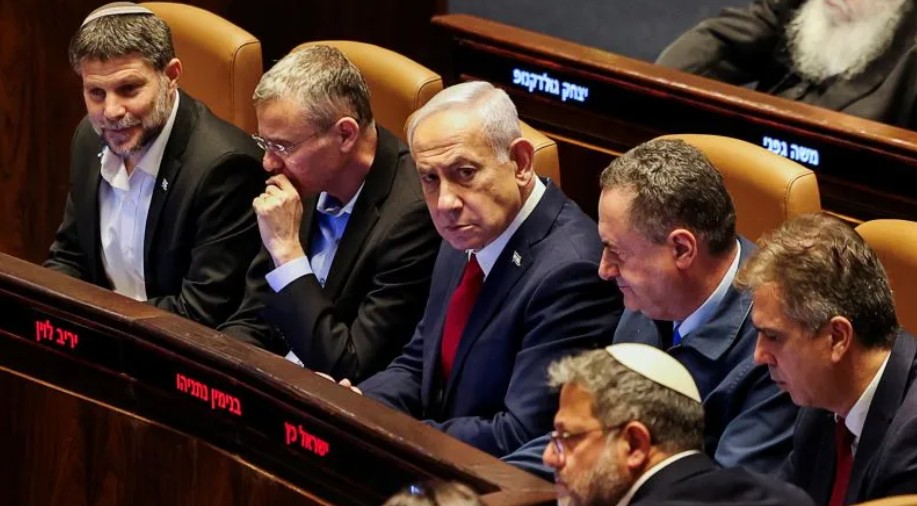
The Israeli cabinet has voted unanimously to shut down **Army Radio (Galei Tzahal)**, one of the country’s oldest and most established broadcasters, ending its operations by March 1, 2026. The decision, led by the Defence Minister, has sparked a fierce debate over media freedom, military neutrality, and government influence over public broadcasting.
Quick Insight:
Army Radio has served both military personnel and the broader Israeli public for decades. Its closure marks a major shift in the nation’s media landscape and raises broader questions about press independence and democratic norms during a politically charged period.
1. What the Decision Entails
• Israel’s cabinet approved a proposal by the Defence Minister to discontinue Army Radio’s broadcast operations after 75 years on air.
• The station is scheduled to cease regular programming by March 1, 2026, with a phase-out period overseen by the defence ministry.
• A specialist team will manage the closure process, including staff reassignment and contract terminations.
2. Government Rationale
• Officials leading the move argue that a military-operated broadcaster that reaches the general public is unusual in democratic societies.
• The Defence Minister has suggested that the station’s expanded role in political commentary and current affairs reporting blurred its original purpose of serving military audiences.
• Supporters believe modernising and reorganising military media functions could align with broader competition and efficiency goals.
3. Reactions and Controversy
• Civil society organisations, journalist unions, and media freedom advocates have sharply criticised the decision.
• Critics warn that closing such a prominent news outlet just before national elections could significantly narrow public access to independent reporting.
• Opponents argue the process should require formal legislation rather than a cabinet decision, raising legal and democratic concerns.
4. Broader Press Freedom Debate
• The closure of Army Radio comes amid a wider discussion in Israeli society about media regulation, oversight, and freedom of expression.
• Recent legislative proposals also seek to expand government powers to shut down foreign media outlets deemed harmful to national security.
• Supporters of stronger media controls argue such measures are necessary for security, while critics fear they undermine press independence.
Final Thoughts
The decision to close Army Radio is one of the most significant media policy changes in Israel in decades. While proponents see it as modernising and aligning military-related media with global norms, opponents view it as a dangerous erosion of press freedom at a politically sensitive moment. The unfolding legal and public debate will likely shape how media and democracy interact in Israel’s future.
Tip: Shifts in public broadcasting policies often reflect wider political and social tensions; watching how legal challenges unfold can offer insight into broader democratic trends.