Quantum Computers Prove More Useful Than Expected in 2025
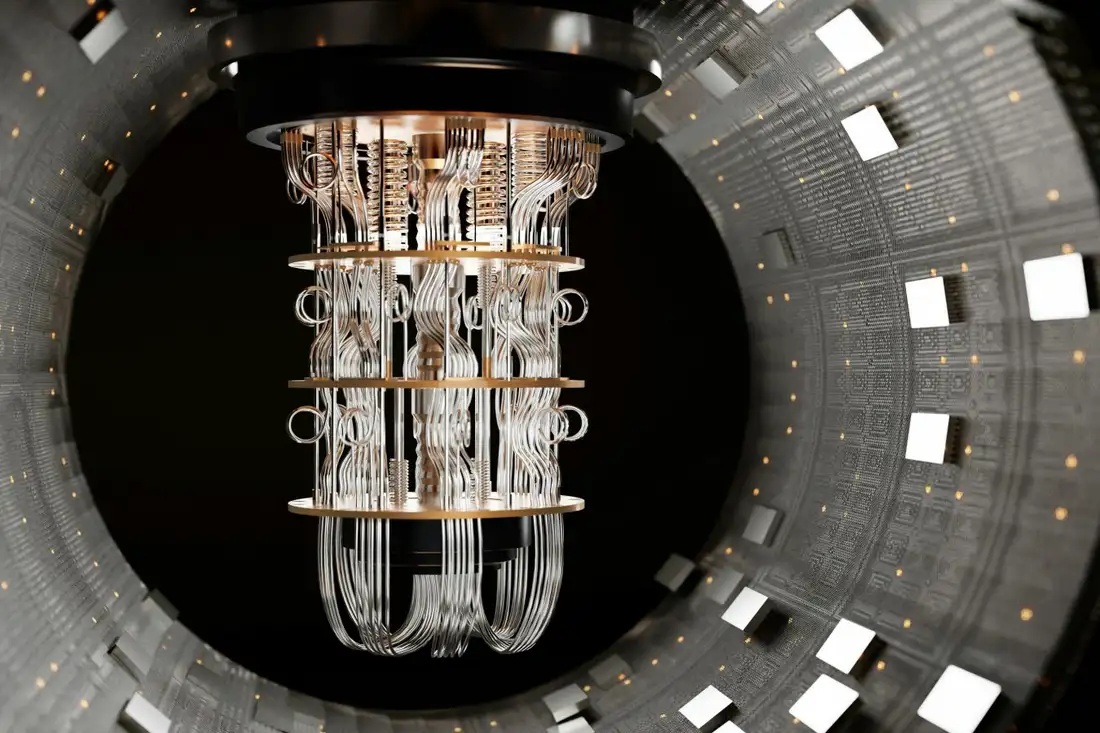
In 2025, quantum computing moved beyond its long-theorized promise to show early signs of practical usefulness in science and technology. After decades of experimentation, researchers and companies reported advances that brought real-world tasks within reach of quantum systems, turning a previously speculative field into one with tangible, emerging applications.
Quick Insight:
Quantum computers harness the principles of quantum mechanics — such as superposition and entanglement — to process information in ways classical computers cannot, offering potential advantages in specific computational tasks.
1. Milestones in Quantum Processing
• In 2025, scientists demonstrated systems capable of running algorithms that outperform classical machines on defined tasks, marking steps toward “quantum advantage.”
• These experiments, while still focused on narrowly defined problems, illustrate how quantum processors can handle complex computations rapidly.
• Such milestones show that quantum hardware is progressing toward more practical functionality.
2. Hardware Advances Driving Usefulness
• Hardware breakthroughs — including qubits with longer coherence times and more stable error-correction techniques — are enabling longer and more reliable quantum calculations.
• Larger qubit arrays and improved interconnects between quantum processors are helping scale up systems to tackle increasingly sophisticated challenges.
• These improvements bring quantum machines closer to performing tasks that matter for science and industry.
3. Emerging Scientific and Commercial Uses
• Early experiments point to quantum computers helping explore molecular structures, materials science, and optimisation problems that are hard for classical computers.
• Integration with classical systems and high-performance computing is allowing hybrid workflows that leverage the strengths of both approaches.
• As these tools mature, they could accelerate research in drug discovery, advanced materials, logistics, and cryptography.
4. What This Means for the Future
• While fully error-corrected, large-scale quantum computers remain years away, the progress of 2025 suggests a more practical timeline than many experts once anticipated.
• Continued advances in qubit stability, architecture, and algorithms are key to unlocking broader real-world applications.
• The momentum in quantum computing research and early applications shows the field transitioning from theory toward impactful, real-world use cases.
Final Thoughts
2025 marked a turning point for quantum computing as scientists and engineers demonstrated early usefulness beyond academic curiosity. With sustained innovation in hardware and software, quantum technology is increasingly poised to contribute meaningfully to scientific discovery and computational problem solving in the years ahead.
Tip: Quantum computing is still early, but tracking hardware improvements, algorithm development, and real-world demonstrations can help you gauge when it will start solving everyday industry challenges.