Ford Launches Battery Storage Business to Power Data Centers and the Grid
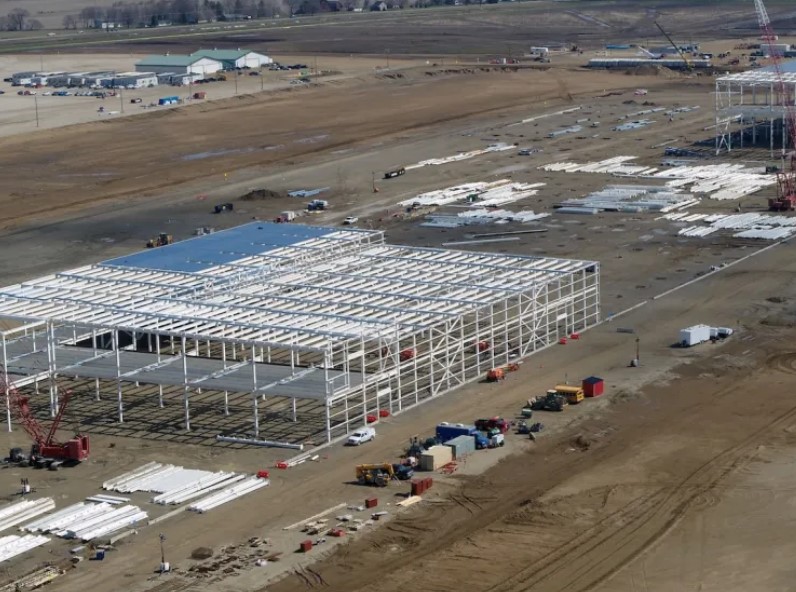
In a major strategic shift, Ford Motor Company is entering the energy storage market by developing large-scale battery systems designed to supply power to data centers and stabilize the electrical grid. This move repurposes excess battery production capacity and aligns the company with rising demand for reliable, stationary energy storage solutions.
Quick Insight:
Ford’s entry into the energy storage industry signals a broader pivot toward diversified energy products amid changing market conditions and shifting customer demand for electric vehicles.
1. Strategic Shift from EVs to Energy Storage
• Ford has scaled back its ambitions to mass-produce large battery-electric vehicles and is investing more in hybrids, affordable electrified models, and energy systems.
• By repurposing existing battery manufacturing lines, Ford intends to build systems capable of storing and discharging electricity for commercial and utility customers.
• The shift helps Ford monetize its battery production expertise while responding to slower than expected uptake of some electric vehicle models.
2. Powering Data Centers with Storage Systems
• Data centers require consistent, uninterrupted power and are increasingly turning to battery storage to back up grid supply and manage peak demand loads.
• Ford’s new battery storage products are designed to deliver reliable energy buffering and backup power for large computing facilities.
• These systems can help data center operators reduce costs and avoid disruptions during grid fluctuations or outages.
3. Supporting the Electrical Grid
• Beyond data centers, Ford’s systems aim to support broader grid stability by storing excess electricity and discharging it during peak usage periods.
• Grid-scale battery storage is increasingly critical as renewable energy sources like solar and wind fluctuate in output.
• Ford hopes its battery solutions will help utilities manage energy loads more efficiently and defer the need for expensive infrastructure upgrades.
4. Manufacturing and Capacity Plans
• Existing Ford battery facilities are being repurposed to produce energy storage cells and modules, leveraging lithium iron phosphate (LFP) battery chemistry.
• The company plans to scale production to reach tens of gigawatt-hours of annual storage capacity in the coming years.
• This expansion taps into Ford’s century-long manufacturing expertise while addressing increasing demand for energy storage infrastructure.
Final Thoughts
Ford’s launch of a battery storage business illustrates how traditional automakers are evolving beyond vehicle production. By moving into energy storage for data centers and grid applications, Ford aims to diversify revenue streams, make better use of battery production assets, and play a role in the broader energy transition shaping global power systems.
Tip: Stationary battery storage systems are becoming essential for managing energy demand, supporting renewable power use, and keeping critical infrastructure like data centers running smoothly.











































.jpg)