14. December 2025
Admin
U.S. Forces Intercept Cargo Ship En Route from China to Iran in Rare Maritime Action
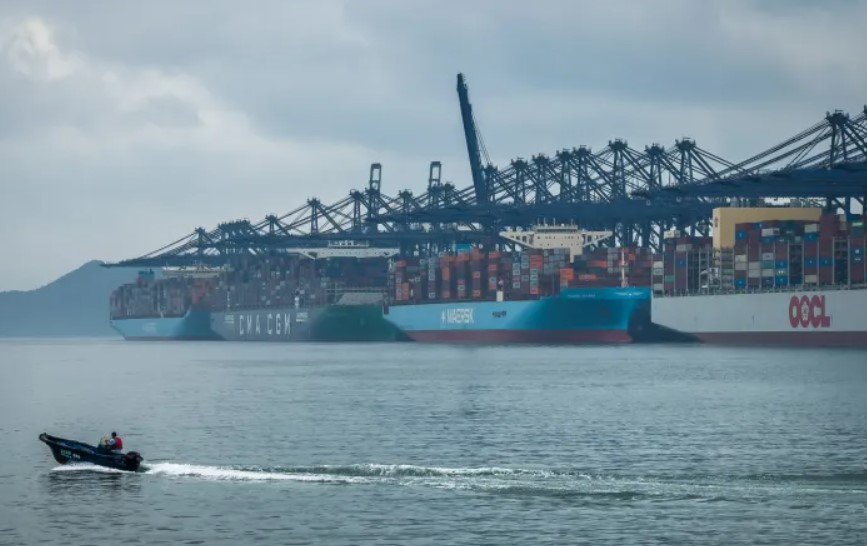
In a rarely reported maritime operation, U.S. military forces boarded and inspected a cargo vessel believed to be traveling from China to Iran. The interception, which took place several hundred miles off Sri Lanka’s coast last month, reflects growing enforcement efforts to disrupt transfers of materials that could support Iran’s military programmes amid ongoing sanctions.
Quick Insight:
Although the ship was later allowed to continue its journey, U.S. forces seized or destroyed items they assessed could be used in conventional weapons development, highlighting how maritime interdictions are part of broader efforts to curb weapons proliferation.
1. What Happened at Sea
• U.S. special operations forces boarded the cargo vessel in the **Indian Ocean**, hundreds of miles from Sri Lanka.
• The military team removed materials described as **dual-use components** — items that can have both civilian and military applications — before the ship was permitted to proceed to its destination.
• No names of the ship or its owners were disclosed, and the operation was not immediately confirmed by U.S. military officials.
2. Why the Interception Matters
• The action represents one of the most significant U.S. maritime interdictions targeting potential **weapons-related transfers to Iran in years**.
• The focus on dual-use goods suggests concerns about technology or parts that could be integrated into missile systems or other conventional military equipment.
• This move comes amid ongoing sanctions against Tehran and heightened concerns about its regional influence and weapons capabilities.
3. Geopolitical Context
• The interception follows a series of recent U.S. actions at sea, including the seizure of a large oil tanker suspected of transporting sanctioned fuel to partners of Iran.
• Washington’s approach appears aimed at cutting off supply routes tied to sanctioned states or networks, though these operations can raise diplomatic tensions.
• China — a key trading partner for Iran — has previously criticised unilateral sanctions and similar operations as violations of international law, setting the stage for potential diplomatic pushback.
Final Thoughts
The boarding of a cargo vessel bound for Iran underscores how maritime enforcement is now a tool in broader geopolitical and sanctions enforcement strategies. By targeting shipments with potentially sensitive materials, the U.S. is signalling a more assertive posture in monitoring seaborne transfers — but such operations also risk heightening tensions with major trading partners and in key waterways around the world.
Tip: Maritime interdictions involving sanctioned countries often involve complex legal, security and diplomatic considerations — they can affect shipping routes, international law debates, and regional stability.










































.jpg)