Tech Billionaire Sparks Debate by Labeling Modern College Students a “Loser Generation”
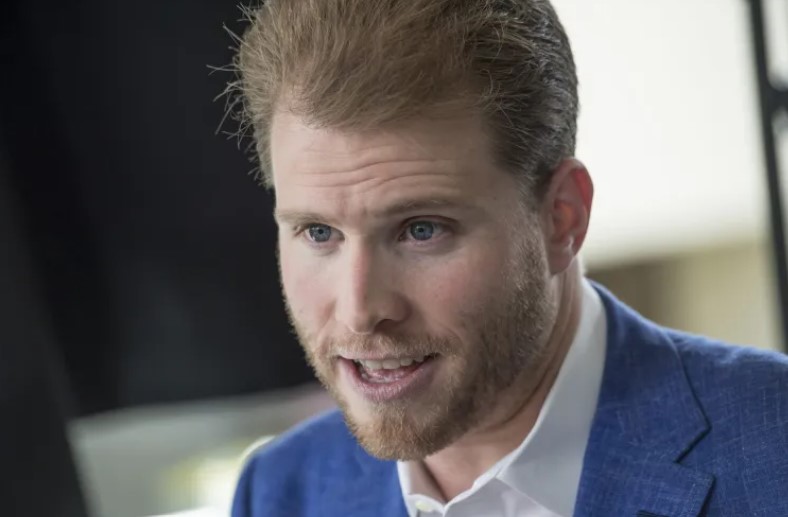
A prominent tech entrepreneur and cofounder of a major data company has ignited controversy after publicly criticizing a new generation of university students. His remarks come amid rising numbers of undergraduates seeking support for learning and mental‑health challenges, prompting a broader public discussion about youth resilience, academic accommodations, and the future of higher education.
Quick Insight:
The debate centers on whether increased demand for disability accommodations among students reflects genuine needs and greater awareness — or if it signals deeper issues in how education and society define success and struggle.
1. The Billionaire’s Controversial Claim
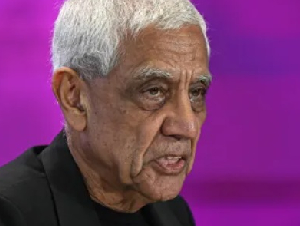
• A well‑known tech investor described today’s undergraduate students as part of a “loser generation” in a series of comments shared on social media.
• He argued that some families and students are attempting to use academic disability accommodations strategically to gain advantages in rankings, housing, or academic leeway.
• His comments stirred immediate reactions from educators, students, and observers who either supported or strongly condemned his perspective.
2. Disability Accommodations in Universities Are on the Rise
• Across selective universities, a growing number of undergraduates are registering for accommodations related to conditions like anxiety, ADHD, and depression.
• At some institutions, well over a quarter of students now receive disability support services — reflecting a major increase compared to a decade ago.
• Experts point to factors such as greater mental‑health awareness and reduced stigma as reasons more students are seeking help.
3. The Broader Debate: Support vs. Overuse
• Advocates for student support emphasize that accommodations can be life‑changing for those with genuine needs, enabling equal access to learning opportunities.
• Critics, including some public figures in business and education, argue that the ease of obtaining accommodations may be creating unintended incentives for misuse.
• This clash highlights deeper questions about academic rigor, societal expectations, and how universities balance inclusivity with standards.
4. What This Means for Students and Employers
• For students, the rise in accommodations has offered essential support but also raised questions about preparation for real‑world challenges outside academia.
• Employers, meanwhile, are increasingly evaluating candidates on skills and portfolios rather than just academic credentials.
• The shifting landscape suggests that success after graduation may depend as much on practical capabilities, resilience, and adaptability as on classroom performance.
Final Thoughts
The debate sparked by a billionaire critic underscores tension in modern higher education: how to balance compassion and support with expectations of toughness and self‑sufficiency. As student needs evolve and workplace demands change, educators, families, and young adults alike will continue grappling with what it truly means to prepare the next generation for success.
Tip: When evaluating claims about student performance and academic trends, consider multiple viewpoints — data, lived experience, and evolving educational standards all shape the discussion.



























.jpg)