12. December 2025
Admin
Political Backlash Grows Over Warner Bros.–Netflix-Paramount Merger Fight

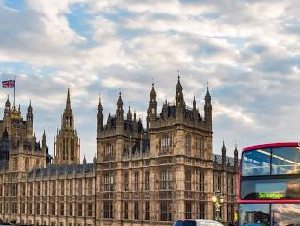
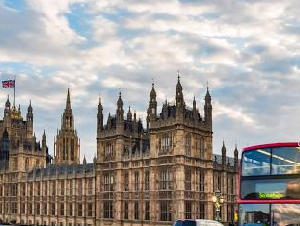
The high-stakes battle over Warner Bros. Discovery has sparked strong political reactions from leaders across the U.S. political spectrum. What began as a corporate acquisition fight between streaming giant Netflix and media studio Paramount Skydance has drawn concern on both antitrust and national-security grounds — prompting lawmakers, activists and regulators to weigh in months before any final decision is reached.
Quick Insight:
With one bid supported by Netflix and another hostile bid from Paramount Skydance — plus involvement by major investors and political figures — Washington is watching closely as critics warn about media consolidation, competition, market dominance, and foreign influence.
1. Bipartisan Concerns About Competition
• Some Democratic lawmakers have publicly warned that Netflix’s proposed acquisition of Warner Bros. could create a dominant media entity with excessive control over streaming content, potentially squeezing smaller competitors and reducing choice for consumers.
• Republican voices have echoed antitrust concerns as well, arguing that combining major studios and streaming platforms under one roof could harm competition and raise prices.
• Calls for careful regulatory scrutiny highlight fears that consolidation might limit consumer choice and reduce diversity in entertainment production, distribution, and theatrical release practices.
2. National Security & Foreign Influence Worries
• Paramount Skydance’s rival bid has drawn particular political attention because of its financing ties — including high-level investors and sovereign wealth funds — raising questions about how foreign capital could influence major U.S. media assets.
• Some lawmakers have expressed concern that ownership stakes linked to international investors or politically connected insiders could affect editorial independence or U.S. media priorities.
• This has prompted calls for careful oversight from committees that review mergers for national security and public-interest implications.
3. Trump Administration & Regulatory Signals
• The Trump administration has been unusually vocal, with senior officials signalling skepticism about how the deal would affect competition and market concentration.
• Presidential commentaries have emphasised the need to balance competition with consumer welfare, hinting at potential regulatory hurdles that either deal might face.
• This leadership involvement adds to perceptions that political dynamics — not just business valuations — could shape how the battle unfolds.
Final Thoughts
What started as a corporate bidding war for control of a major Hollywood studio has become a political flashpoint. With lawmakers from both parties voicing concerns about competition, market dominance and foreign influence, the outcome will likely hinge not just on shareholder preference but also on regulatory review and political pressure. As this high-profile media saga continues into 2026, its impact on content, entertainment competition and the broader U.S. media landscape could be significant.
Tip: When major tech and media mergers collide with political scrutiny, the ultimate outcome often depends on both legal review and public-policy considerations — not just financial terms.




.jpeg)





























.jpg)