What Happens When Freshwater Runs Out
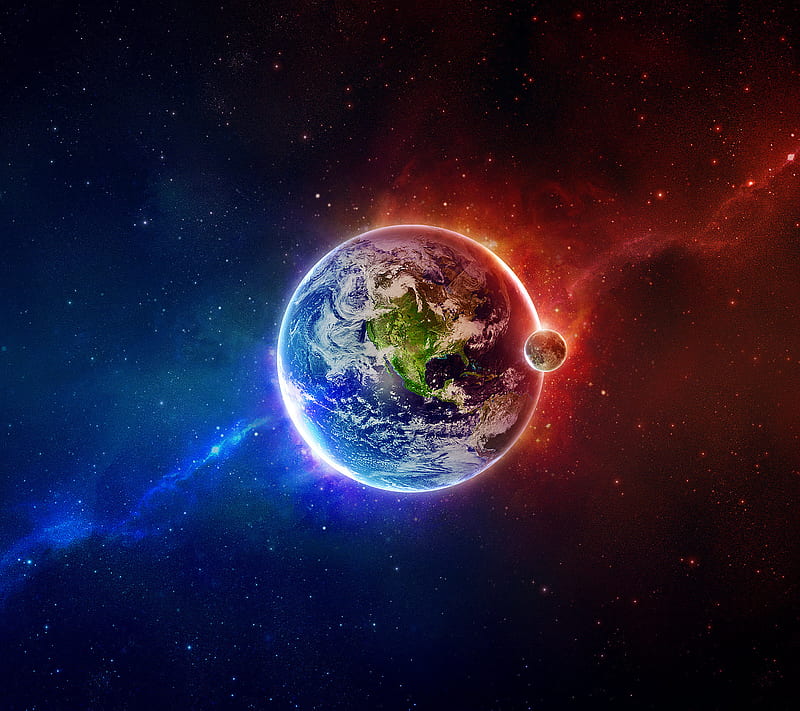
Water is life — yet freshwater, the essential resource for drinking, farming, and industry, is disappearing at an alarming rate. Rivers dry up, aquifers deplete, and lakes shrink. Climate change, population growth, and mismanagement are pushing the planet toward a water crisis that will impact billions of people and countless ecosystems.
1. The Global Water Crisis
Currently, over 2 billion people live in countries experiencing high water stress. Agriculture consumes approximately 70% of freshwater, yet overuse and pollution threaten the very sources of irrigation. Cities are growing faster than water supplies, and industrial demands are increasing. Without urgent intervention, freshwater scarcity will become catastrophic.
Over the next few decades, many of the world’s largest rivers — including the Colorado, Yellow, and Ganges — are projected to shrink or dry during critical seasons, leaving millions without reliable access to clean water.
2. Environmental Consequences
Rivers, lakes, wetlands, and aquifers are ecosystems. As freshwater runs out, biodiversity collapses. Fish populations decline, amphibians die, and birds lose critical habitats. Soil fertility drops, forests weaken, and wetlands dry, accelerating desertification and ecosystem collapse.
Drying water sources also worsen climate resilience. Areas that once moderated temperatures through rivers and wetlands become hotter, drier, and more prone to wildfires, creating a vicious cycle.
3. Human and Societal Impact
Freshwater scarcity triggers food shortages, economic instability, and mass migrations. Farming fails, livestock die, and urban water supplies dwindle. Conflicts over water become increasingly likely, as nations and communities fight for diminishing resources.
In some regions, water scarcity is already a source of tension. The Middle East, parts of Africa, and South Asia face growing conflicts linked to rivers and aquifers that no longer meet human demand. Millions may become climate refugees, forced to leave homes and livelihoods behind in search of water.
4. Health Risks
Lack of freshwater directly affects human health. Contaminated water spreads diseases like cholera, dysentery, and typhoid. Malnutrition rises when crops fail, and hygiene becomes impossible. In many developing regions, children and the elderly are at greatest risk.
5. The Bitter Reality
Freshwater is finite, yet humanity treats it as infinite. Groundwater is pumped faster than it can recharge, rivers are diverted, and pollution goes unchecked. Climate change intensifies droughts and reduces rainfall, compounding the problem. If current trends continue, large parts of the world may become uninhabitable due to lack of freshwater.
The bitter truth: water scarcity is not a future problem. It is happening now, silently threatening life, livelihoods, and civilizations. When freshwater runs out, humans will face famine, disease, displacement, and conflict on a scale never seen before.
Final Bitter Truth
Water is essential, yet humanity’s mismanagement and climate change are pushing the planet toward a crisis that cannot be reversed overnight. Freshwater is not guaranteed — every polluted river, depleted aquifer, and dried-up lake is a warning. Without immediate action, the loss of freshwater will become a bitter, inescapable reality for billions of people and the ecosystems that sustain life.