How Ocean Currents Are Slowing Down
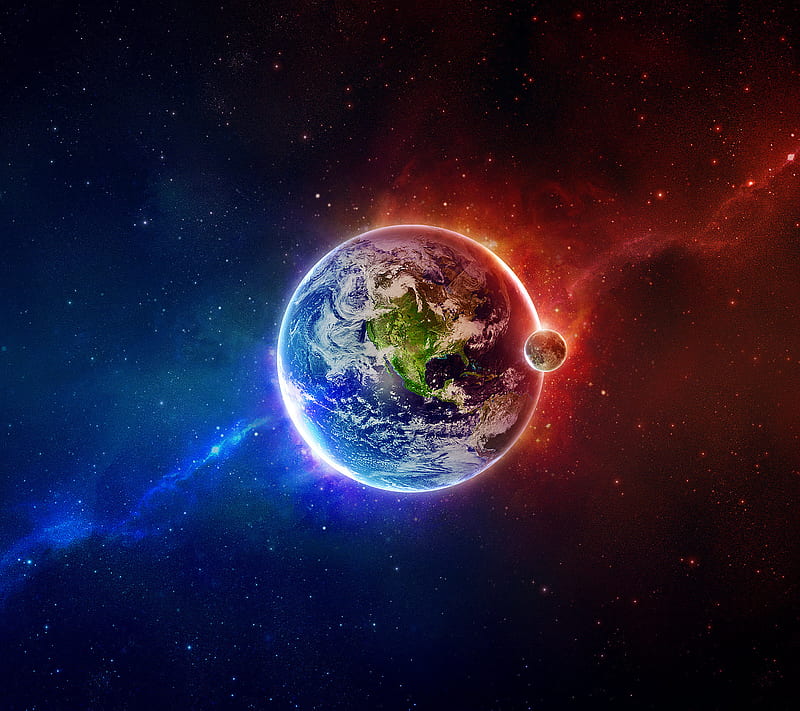
Ocean currents are the planet’s circulatory system, distributing heat, nutrients, and oxygen across the globe. They regulate climate, support marine ecosystems, and stabilize weather patterns. But recent studies reveal a terrifying reality: these currents are slowing down, and the consequences could be catastrophic for the entire planet.
1. The Role of Ocean Currents
Ocean currents like the Gulf Stream carry warm water from the tropics toward the poles and return cold water to the equator. This system regulates global climate, prevents extreme temperature spikes, and keeps regional weather predictable.
Currents also circulate nutrients, supporting fisheries and marine biodiversity. Without these flows, life in the oceans — and the human communities dependent on it — faces severe disruption.
2. Evidence of Slowing Currents
Satellite data and ocean measurements indicate that major currents, including the Atlantic Meridional Overturning Circulation (AMOC), are weakening. Some parts of the Gulf Stream have slowed by up to 15–20% compared to historical levels.
A slowing AMOC means that warm water remains concentrated in the tropics while the North Atlantic cools. This imbalance disrupts rainfall patterns, monsoons, and even hurricane intensity.
3. Causes of Slowing Currents
The primary culprit is climate change. Melting ice from Greenland and Antarctica releases massive amounts of freshwater into the oceans, reducing the salinity and density that drive current flows. Warmer ocean temperatures also reduce the strength of thermal gradients, further slowing circulation.
Human activities — greenhouse gas emissions, deforestation, and industrial pollution — amplify these effects, pushing the currents closer to a critical tipping point.
4. Global Climate Impacts
Slower currents disrupt global weather systems. Europe could experience harsher winters, while West Africa suffers reduced rainfall, threatening agriculture. North America might see more intense hurricanes, while parts of South America face drought.
The predictable seasonal cycles we depend on for planting, harvesting, and infrastructure planning are becoming unreliable, creating uncertainty for billions of people.
5. Oceanic Ecosystem Collapse
Currents carry oxygen and nutrients to deep oceans. Slowing currents reduce this vertical mixing, leading to oxygen-depleted zones — or “dead zones.” Fish populations collapse, plankton die off, and entire food chains are disrupted.
Coral reefs, mangroves, and fisheries that support human livelihoods are directly threatened. Marine biodiversity is quietly unraveling beneath the waves.
6. Rising Sea Levels and Heat Extremes
Slower currents trap warm water in certain regions, accelerating local sea-level rise. Coastal cities may face flooding even without storms. Heatwaves become more severe as natural heat redistribution fails.
The combination of flooding, extreme heat, and disrupted rainfall could render some regions uninhabitable, forcing migration and increasing global instability.
7. The Tipping Point
Scientists warn that if currents slow too much, the AMOC could collapse entirely. This would trigger rapid climate shifts — unprecedented storms, extreme droughts, and massive ecosystem losses. Such a collapse could occur within this century if greenhouse emissions continue unchecked.
8. The Bitter Truth
Ocean currents are slowing silently, far from the public eye, yet their effects ripple across the planet. Every human activity that warms the planet, melts ice, or pollutes the oceans nudges the system closer to collapse.
The oceans are losing their ability to regulate climate. Fisheries, food security, weather stability, and even human survival are at risk — all because the currents that once stabilized life are weakening.
Final Bitter Truth
Humanity is facing a slow-motion global crisis. The planet’s circulatory system is faltering, and time is running out to reverse the damage. Without urgent action, slower currents could trigger cascading climate disasters — reshaping life on Earth in ways we may not survive.