Underground Methane Explosions in Siberia
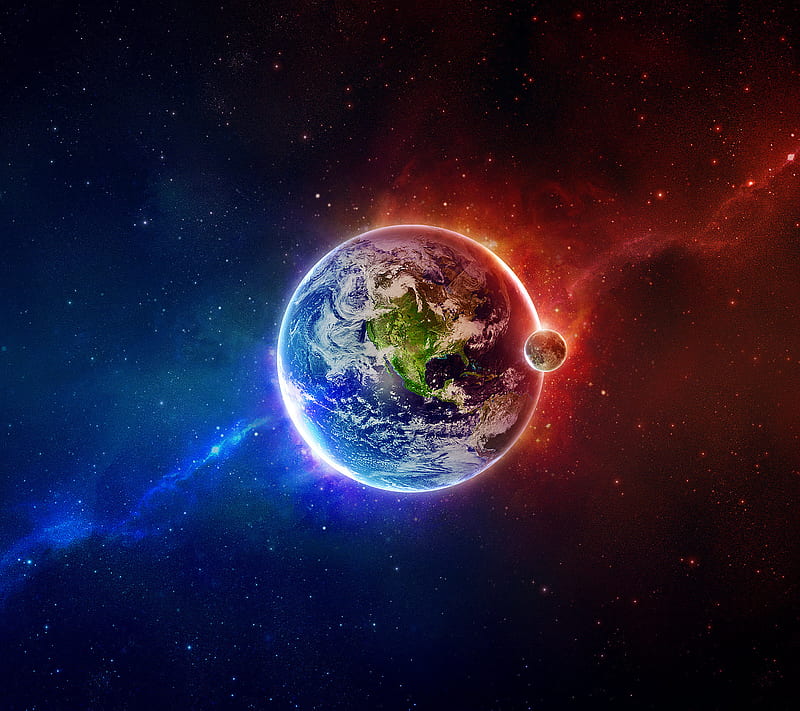
In the frozen wilderness of Siberia, something terrifying has begun happening beneath the ground. Without warning, the earth itself explodes outward, leaving behind massive craters that appear as if the planet has been struck by hidden bombs. These are not meteor impacts. They are caused by
underground methane gas explosions — a direct and frightening consequence of melting permafrost driven by climate change.
For centuries, Siberia’s permafrost acted like a frozen lid, trapping enormous quantities of methane gas safely beneath the surface. Today, that lid is weakening. As the Arctic heats rapidly, the frozen ground softens, cracks, and collapses. Pressure builds underground. Eventually, the trapped gas violently escapes, blasting holes into the Earth’s surface.
1. What Is Permafrost and Why It Matters
Permafrost is permanently frozen ground that has remained solid for thousands of years. It covers vast regions of Siberia, Alaska, Canada, and the Arctic. Inside this frozen soil are ancient plants, animals, bacteria — and enormous amounts of frozen gas.
One of the most dangerous trapped gases is methane. Methane is a greenhouse gas far more powerful than carbon dioxide. Over a 20-year period, methane traps more than 80 times as much heat as CO₂. Once released into the atmosphere, it accelerates global warming at terrifying speed.
2. How the Explosions Happen
As global temperatures rise, permafrost begins to thaw from the surface downward. Underground methane trapped in ice pockets starts to expand as temperatures increase. The thawed upper layers act like a cap, trapping the gas beneath.
Pressure builds slowly, sometimes over months or years. Eventually, the ground can no longer contain it. The methane erupts upward in a violent explosion, blasting soil, ice, and rock into the air. What remains is a massive crater that can be tens of meters wide and deep.
Some of these explosions are powerful enough to be detected by seismic sensors. They occur in remote areas, meaning many likely happen without ever being observed directly.
3. The First Craters That Shocked the World
In 2014, scientists discovered a giant crater in northern Siberia that had not existed the year before. Soon after, dozens more appeared across the region. These pits were not formed by erosion or sinkholes alone — they were confirmed to be the result of underground methane blowouts.
The explosions were so sudden that surrounding soil was flung outward in circular patterns. Some craters later filled with water, becoming eerie, perfectly round lakes in the frozen tundra.
4. Why This Is So Dangerous for the Climate
Every explosion releases large volumes of methane directly into the atmosphere. This strengthens the greenhouse effect and raises global temperatures even faster. The warmer the Arctic gets, the more permafrost thaws. The more permafrost thaws, the more methane is released. This creates a runaway warming loop that becomes increasingly difficult to stop.
Scientists fear that if permafrost thaw accelerates uncontrollably, it could release centuries’ worth of stored carbon in just a few decades. That would overwhelm all current global climate efforts.
5. The Land Itself Is Becoming Unstable
As permafrost melts, the ground loses its structural strength. Roads collapse. Buildings tilt and sink. Pipelines crack. Entire villages in Siberia are being forced to relocate because the land beneath them is literally turning to mud.
Methane explosions add another layer of danger. An explosion near infrastructure could destroy pipelines, power lines, or settlements instantly. In some remote regions, there is no warning system at all.
6. A Threat to Global Energy Systems
Siberia is one of the world’s most important energy-producing regions, supplying oil and natural gas to many countries. Much of this infrastructure sits directly on permafrost.
As the frozen ground weakens and methane explosions become more frequent, the risk of pipeline ruptures and industrial disasters increases sharply. A single major rupture could release enormous amounts of additional methane, worsening climate change even further.
7. Biological Awakening from Ancient Ice
Thawing permafrost doesn’t only release gas. It also reactivates ancient microbes that have been frozen for tens of thousands of years. These bacteria consume organic matter and produce even more methane as waste.
This means permafrost is not just releasing stored gas — it is actively generating new methane as it awakens biologically.
8. Why the Arctic Is Heating So Fast
The Arctic is warming more than twice as fast as the rest of the planet. Ice melts, exposing dark land and water that absorb more heat instead of reflecting sunlight. This speeds up warming even faster.
As ice retreats, fire, thaw, and gas release spread deeper into frozen regions. What was once locked safely in ice is now free to escape.
9. The Chain Reaction No One Can Fully Control
Once methane begins escaping at massive scale, it becomes extremely difficult to stop. There is no way to “refreeze” entire continents. Even if human emissions dropped overnight, already-released methane would continue trapping heat for decades.
This is what terrifies scientists the most: the climate system may be approaching self-triggered heating mechanisms beyond human control.
Final Bitter Reality
The underground methane explosions in Siberia are not isolated accidents. They are warning signals — violent messages from a planet under stress.
What is exploding beneath the Arctic today is not only gas. It is the fragile balance that once kept Earth stable. These blast craters may look remote and distant, but their climate consequences will reach every nation, every coastline, every farm, and every future generation.
The most terrifying truth is this: the ground itself is beginning to fight the heat we have created — and it is losing control.







.jpeg)