Why the Amazon Could Become a Desert
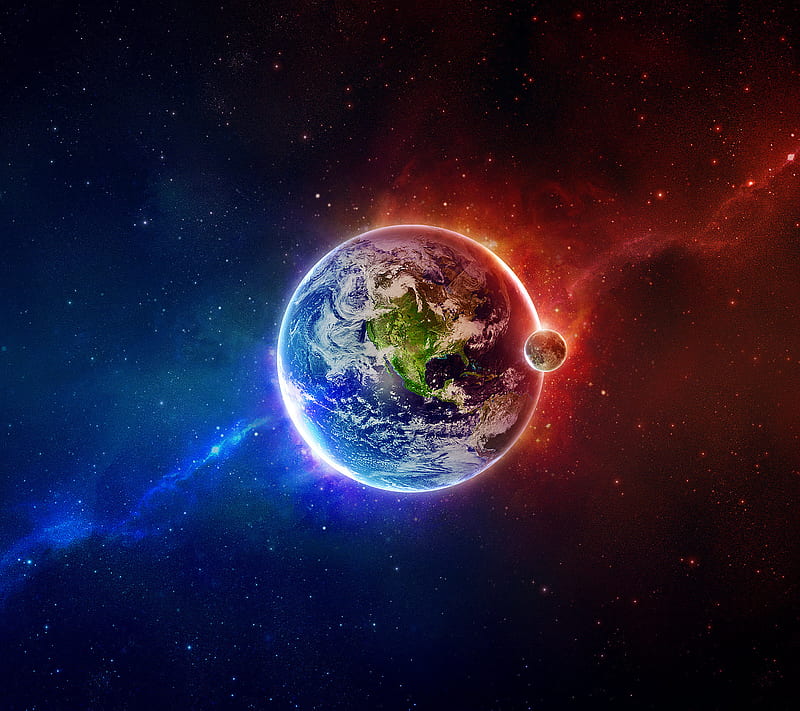
The Amazon Rainforest is often called the “lungs of the Earth,” a vast green engine that breathes life into the planet. It produces rain, regulates climate, stores carbon, and supports more life than any other land ecosystem on Earth. But today, scientists are warning of a terrifying possibility: the Amazon may be approaching a point of no return where it no longer remains a rainforest at all — but transforms into a dry, degraded desert-like landscape.
This is not a science fiction story. It is the result of measurable changes happening right now — rising temperatures, massive deforestation, droughts, fires, and the collapse of the forest’s own rain-making system. The Amazon does not just receive rain. It creates it. When that ability collapses, the forest begins to starve itself of water.
1. The Amazon’s Secret Power: Making Its Own Rain
The Amazon generates a large portion of its own rainfall through a powerful biological process. Every day, billions of trees pull water from the soil and release it into the atmosphere through their leaves in a process called transpiration. This water vapor forms clouds and returns as rain. This continuous recycling keeps the forest wet, cool, and alive.
This creates what scientists call a self-sustaining climate system. The forest depends on the rain, and the rain depends on the forest. Destroy the trees, and you destroy the rain. Without enough rain, new trees cannot grow. This creates a deadly feedback loop that slowly dries the entire ecosystem.
2. Deforestation Is Breaking the Rain Cycle
Every year, millions of trees are cut down for cattle ranching, farming, illegal logging, mining, and road construction. Each tree removed reduces the forest’s ability to recycle moisture. As deforestation expands, rainfall begins to weaken. Dry seasons grow longer. Heat increases. Fires spread easier. The forest becomes vulnerable to collapse.
Scientists estimate that if about 20–25% of the Amazon is destroyed, the system may reach an irreversible tipping point. At that moment, the forest will no longer be able to sustain its own humidity. Large portions will begin to permanently dry out, transforming into savanna or desert-like land.
3. Climate Change Is Turning Up the Heat
Global warming is pushing the Amazon toward this tipping point even faster. Higher temperatures increase evaporation, dry out the soil, and stress the trees. Droughts that once happened once in a century now occur every decade — or even more frequently.
When drought weakens trees, fires become unstoppable. In natural rainforests, fires are rare. But once the forest dries, even a single spark can trigger massive wildfires that wipe out thousands of square kilometers of vegetation in weeks. Dead trees release enormous quantities of carbon into the atmosphere, accelerating global warming even further.
4. From Rainforest to Desert: How the Collapse Happens
The transformation does not happen overnight. First, rainfall decreases slightly. Then dry seasons grow longer. Trees weaken and die. Fires spread. New vegetation struggles to return. Heat increases. Soil loses moisture and nutrients. Over time, dense jungle becomes patchy woodland, then open savanna, and eventually dry, degraded land that cannot support rainforest life.
Once this transformation begins on a large scale, it becomes almost impossible to reverse. Even if human activity stopped completely, the new dry climate would prevent the forest from regrowing naturally. The Amazon would not bounce back within human lifetimes — and perhaps never fully recover at all.
5. A Global Climate Shockwave
The Amazon stores more carbon than any other rainforest on Earth. If it collapses, it will release massive amounts of carbon dioxide into the atmosphere. This would drastically accelerate global warming in a very short time.
The forest also controls rainfall far beyond South America. Moisture from the Amazon helps supply rain to agricultural regions across the Americas. If the forest dries out, global weather patterns will shift. Some regions will suffer extreme droughts, while others face more violent storms and flooding.
6. Food, Water, and Human Survival
Billions of people indirectly depend on the Amazon’s climate stability. Crops rely on predictable rainfall. Rivers depend on steady precipitation. Hydropower systems depend on flowing water. If the Amazon’s rain engine fails, food production, clean water supply, and energy security will collapse across multiple continents.
This could trigger mass hunger, economic collapse, political instability, and climate-driven migration on a scale never seen before. The destruction of one ecosystem could destabilize modern civilization itself.
7. The Silent Extinction Crisis
The Amazon holds at least 10% of all known species on Earth. If large portions turn into desert, millions of plant and animal species will vanish. Most of them will go extinct without ever being studied. Medicines, genetic resources, and undiscovered cures will be lost forever.
Indigenous communities who have lived in harmony with the forest for thousands of years will lose their land, culture, and survival systems. Their extinction may not appear in history books — but it will be one of humanity’s greatest moral failures.
8. The Bitter Truth About Human Responsibility
The Amazon is not dying because of natural cycles alone. It is dying because of human choices — endless consumption, weak enforcement of environmental laws, illegal land grabbing, industrial agriculture, and corporate demand for cheap meat and resources.
Every product linked to deforestation quietly pushes the forest closer to collapse. The destruction often happens out of sight, far from cities and news cameras, but its consequences will reach every home on Earth.
Final Terrifying Reality
If the Amazon becomes a desert, the planet will lose one of its strongest natural defenses against climate collapse. The Earth will heat faster. Weather will become more violent. Food systems will weaken. Water shortages will rise. And extinction will accelerate.
The real horror is not that this could happen in the distant future. The real horror is that the process is already underway. The only unknown is how fast the point of no return will arrive.