Sam Altman Explored Building a SpaceX Competitor — Why It Could Have Changed Space & AI
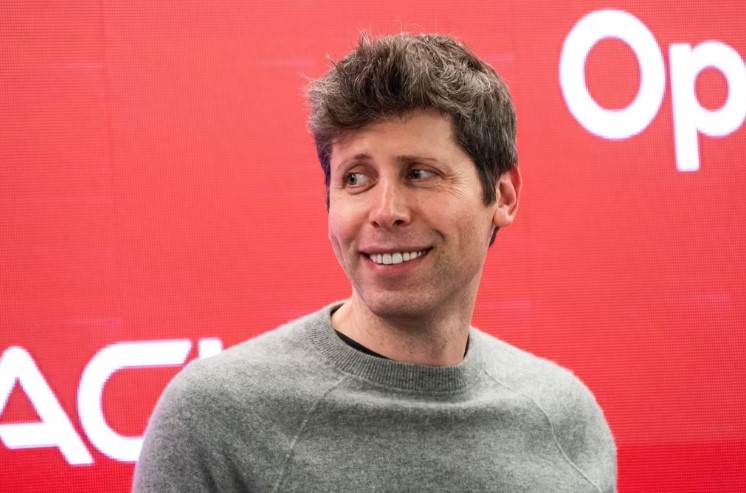
Recent reports reveal that Sam Altman, CEO of OpenAI, explored acquiring or partnering with a rocket company — aiming to create a new rival to SpaceX. The target was Stoke Space, a startup working on fully reusable rockets. The proposed deal would have involved billions in equity and potentially given OpenAI (or Altman) a controlling stake.
Quick Insight:
The move reflects how some tech leaders see space not just as exploration — but as critical infrastructure for future AI and data needs. A combined AI + rocket-launch company could reshape how we think about computing, satellite, and space-based infrastructure.
1. What the Talks Involved
• Altman reportedly reached out to Stoke Space during the summer of 2025, with talks gaining momentum in the fall.
• The idea was either to acquire or partner with the startup, investing enough to secure a controlling stake over time.
• Stoke Space’s project — a fully reusable rocket — aligns with ambitions to lower cost, increase launch frequency, and possibly support future space-based infrastructure.
• As of now, the negotiations have ended and no deal was reached.
2. Why Altman Was Thinking Beyond Just AI
• Altman has long speculated that the growing demand for AI computing power could eventually outgrow Earth’s capacity for energy and data infrastructure.
• With cheaper, reusable rockets and space-launch capability, building data-centers or AI infrastructure off Earth becomes more feasible — potentially reducing environmental impact and opening new frontiers for data.
• Combining AI with space technology could make it easier to deploy satellites, space-based sensors, global internet infrastructure, or AI compute clusters orbiting Earth.
3. What Could Have Changed if It Succeeded
• A new competitor to SpaceX might spur faster innovation in rocket design, launch cost reduction, and space access — benefiting smaller countries and private ventures.
• AI companies could more easily deploy global satellite networks, high-capacity data centers or research platforms — potentially helping regions with limited infrastructure (like parts of Africa) leapfrog traditional limitations.
• It could blur the line between AI, cloud computing, and space technology — redefining what “infrastructure” means in the 21st century.
Why the Plan Fell Through (For Now)
Building a rocket company — even via acquisition — is complex and capital-intensive. Technical, regulatory, and financial challenges remain high. Also, shifting focus from AI to aerospace might spread resources thin, especially given the ambition and cost scale of both areas. For now, Altman’s space-rocket plans are paused.
Tip: If you follow tech or want a future in AI — remember: innovation isn’t just about software. As limits on energy, environment, and infrastructure push industries to space, cross-disciplinary knowledge (AI + engineering + policy) may become very valuable.



.jpeg)