China Floods Global Markets with Gasoline Cars It Can't Sell at Home
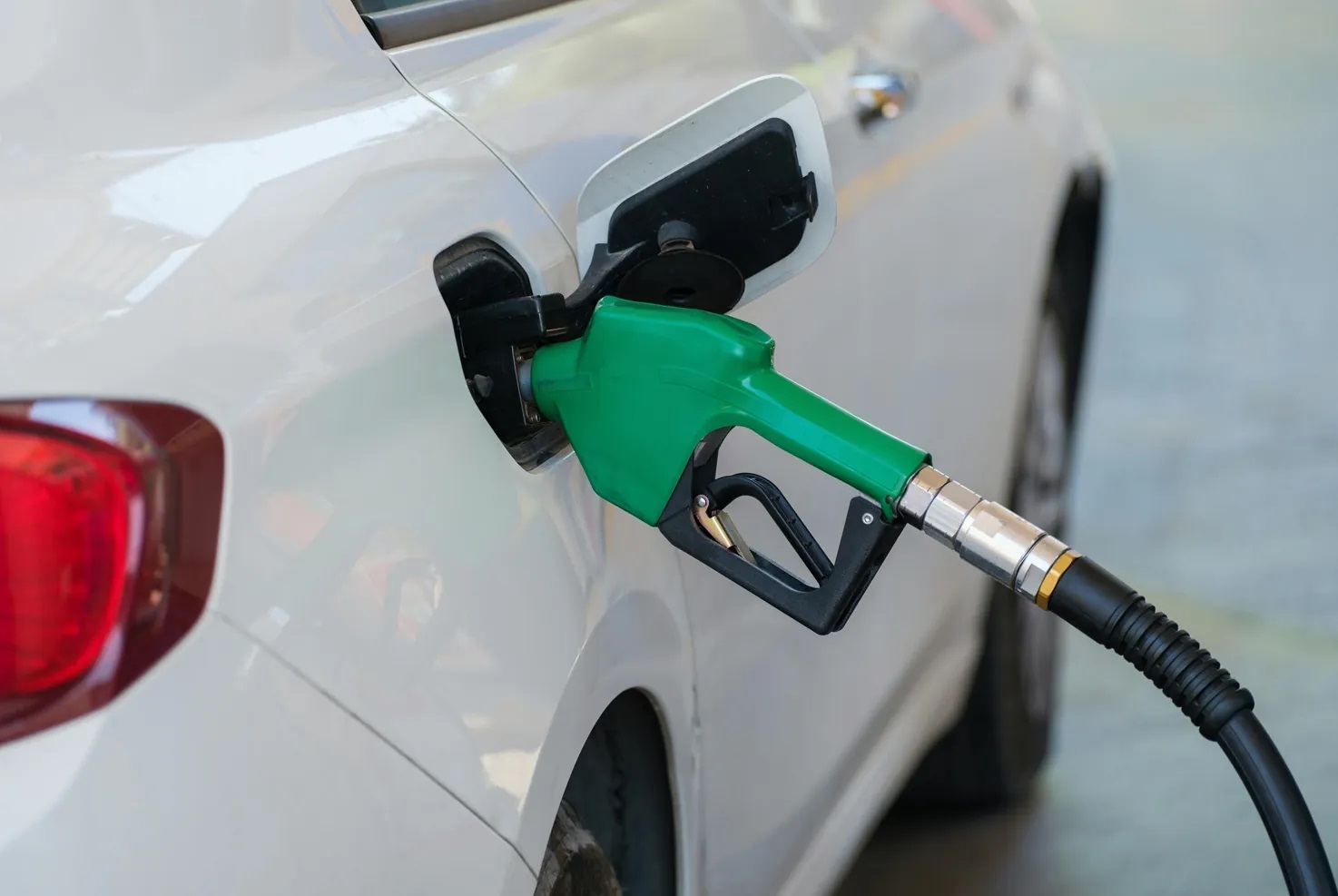
As China pushes heavily into electric vehicles (EVs), demand at home for traditional gasoline cars has collapsed — leaving Chinese automakers with huge excess inventory. Rather than let those cars sit unsold, many are now being exported en masse to emerging markets across Africa, Latin America, Eastern Europe and beyond.
Quick Insight:
The move turns surplus gasoline-cars into cheaply priced exports — reshaping global auto trade, increasing competition for local industries, and offering more affordable car options in markets where EV infrastructure remains weak.
1. What’s Driving the Surge in Exports
• EV adoption in China has soared, displacing demand for gasoline cars locally.
• Many factories capable of building gasoline cars are now idle — automakers are turning to exports to avoid losses.
• Since 2020, roughly three-quarters of China’s auto exports have been gasoline-powered vehicles, even though the domestic market has shifted toward EVs.
2. Which Markets Are Receiving the Cars
• Emerging economies in Africa, Latin America, Southeast Asia and Eastern Europe — many of which lack widespread EV-charging infrastructure.
• Regions where affordability and fuel-engine familiarity still drive consumer choice over electric alternatives.
• Countries looking for low-cost transportation options, where these exported gasoline cars undercut more expensive or imported models.
3. Implications for Global Auto Markets & Consumers
• Traditional automakers outside China — once dominant in many of these export markets — now face steep price- and volume-based competition.
• Imported Chinese gasoline cars offer budget-conscious buyers a cheaper, possibly more accessible vehicle option.
• For regions with weak EV infrastructure, this trend could slow the adoption of electric vehicles, locking many consumers into fossil-fuel cars for the near future.
Final Thoughts
China’s strategy of exporting surplus gasoline cars reveals how a shift to EVs at home can have ripple effects worldwide. For many developing countries — including Nigeria — it means more options for affordable cars, but also tougher competition for local auto industries and potential delays for EV adoption. As global supply chains evolve, it’s a reminder that domestic policy in one country can reshape industries and consumer choices everywhere.
Tip: If you’re thinking of buying a car in a developing market — compare prices and consider long-term fuel and maintenance costs before opting for imported gasoline models.




















.jpeg)