China Posts 5.2% GDP Growth Despite U.S. Tariffs Under Trump
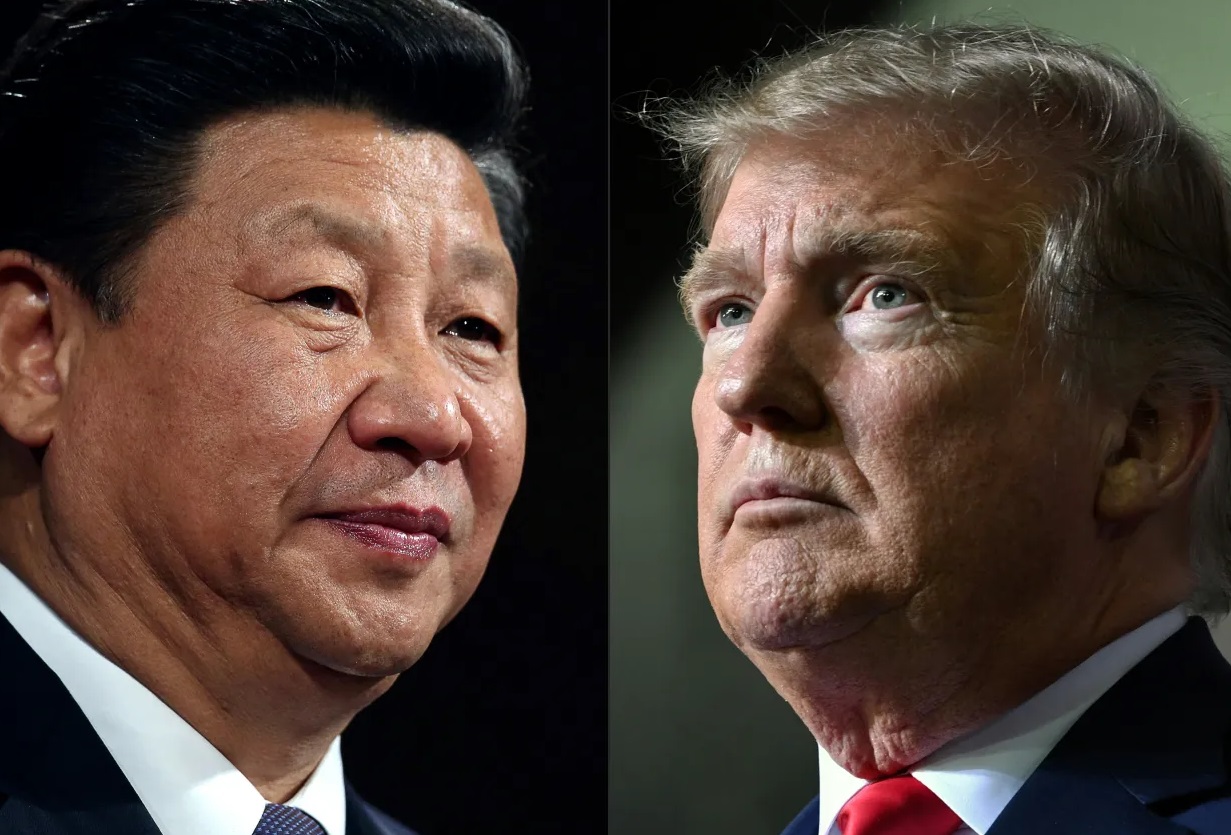
China’s economy posted a 5.2% year-on-year growth rate for the April-June quarter of 2025, outperforming many forecasts even as the U.S. under President Donald Trump continues to apply elevated tariffs in its trade confrontation with Beijing.
Quick Insight: The resilience of China’s growth in the face of U.S. tariff pressure indicates that the trade war may be having less direct effect on headline GDP growth than some analysts expected — although structural risks remain.
Key Figures & Context
• China grew at **5.2%** year-on-year in Q2 2025.
• The U.S. has imposed higher tariffs on Chinese goods, and new trade measures are being threatened.
• The result suggests China’s export engine and front-loaded shipments may be helping compensate for weak domestic demand.
Why This Matters
• Despite heavy trade restrictions, China’s economic growth remains above 5% — signalling its ability to absorb external shocks.
• The U.S. tariff campaign loses some leverage if China can maintain growth and diversify export markets.
• For global markets, stronger-than-expected Chinese growth changes the calculus around investment, trade flows and risk.
What to Watch / Risks Ahead
• Domestic demand in China remains weak, with reliance on exports and investment continuing — both vulnerable to global shifts.
• Further tariff hikes or retaliatory measures could accelerate headwinds for both economies.
• If growth begins to slow or structural issues (e.g., real estate, debt) worsen, China’s resilience may be tested — which in turn could affect global supply chains and commodity markets.
Final Thoughts
The latest GDP numbers from China underscore the complexity of the U.S.–China trade standoff. While the tariff strategy may create pressure, China’s economy appears to be holding up — at least in headline terms. For policymakers, investors and businesses, the message is clear: trade tensions matter, but so too do diversification, demand-side dynamics and the ability to adapt. Staying alert to how these dynamics evolve will be key.
Tip: If you’re analysing or investing in global markets, keep track of not only headline growth figures but underlying drivers — such as export diversification, internal consumption, and policy responses — because these will determine how durable this performance is.








.jpeg)