Young Workers Push Back as AI Bots Expand Into the Workplace
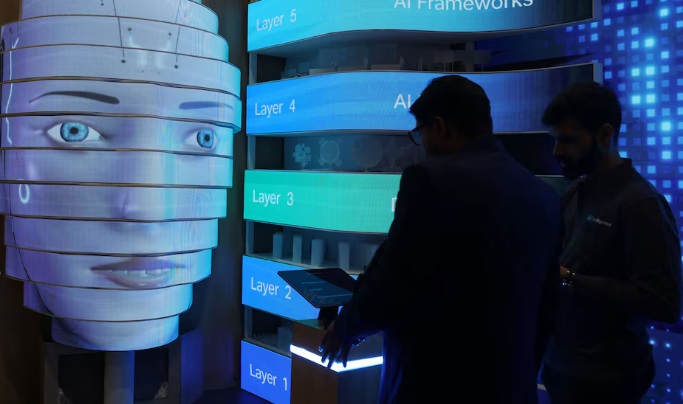
Artificial intelligence is rapidly changing workplaces across the world, but many young workers are reacting with concern rather than excitement.
A growing number of companies are introducing AI-powered systems and digital assistants into offices, customer service operations, software development, content creation, and administrative tasks. While businesses see AI as a way to improve efficiency and reduce costs, many young professionals fear the technology could reduce job opportunities and increase workplace uncertainty.
Key Update: New workplace trends show that younger employees are increasingly worried about how AI automation may affect careers, salaries, job security, and long-term professional growth.
Why Young Workers Are Concerned
Many young employees entered the workforce during a period of economic instability, remote work changes, and rapid digital transformation. The rise of advanced AI tools is now creating fresh anxiety about the future of employment.
Some workers worry that AI systems may replace entry-level roles that traditionally help people gain experience and build careers. Others fear companies may reduce hiring while relying more heavily on automation.
AI Expansion Across Industries
Artificial intelligence is already being used in several sectors including finance, healthcare, technology, customer support, education, marketing, and logistics.
Companies are deploying AI tools to write reports, answer customer questions, analyse data, generate code, manage schedules, and automate repetitive tasks. The speed of adoption has increased significantly over the past two years as businesses compete to improve productivity.
Generational Divide on AI
Some older business leaders view AI as a powerful innovation that can unlock economic growth and improve efficiency. However, many younger workers believe the transition is happening too quickly without enough protection for employees.
Several employees also feel that companies are focusing heavily on automation without clearly explaining how workers will adapt, retrain, or remain valuable in an AI-driven environment.
Entry-Level Jobs Under Pressure
Experts say entry-level and junior positions may face the biggest disruption from AI automation.
Tasks once assigned to interns, junior analysts, assistants, and support staff can now be partially handled by AI tools. This has raised fears that young graduates may struggle to gain the practical experience needed to advance professionally.
Many workers believe human creativity, emotional intelligence, communication, and leadership skills will remain important despite technological changes.
Companies Defend AI Adoption
Business leaders argue that AI is designed to support workers rather than completely replace them.
Some companies say AI can reduce repetitive workloads, improve accuracy, speed up operations, and allow employees to focus on higher-level responsibilities. Supporters also believe AI could create entirely new job categories in the future.
Calls for Training and Protection
Workers, labour groups, and education experts are calling for stronger investment in digital training and workforce preparation.
Many believe schools and universities should update learning systems to prepare students for an AI-focused economy. Others want governments and employers to introduce clearer workplace protections and retraining programmes for employees affected by automation.
Psychological Impact of AI Anxiety
Beyond job security concerns, AI expansion is also affecting worker confidence and mental wellbeing.
Some young professionals feel pressure to constantly adapt, learn new technologies, and compete against increasingly capable AI systems. This uncertainty has contributed to growing stress in highly competitive industries.
The Future of Human Work
Industry analysts believe the future workplace will likely involve humans and AI working together rather than complete automation.
While AI may handle repetitive and technical tasks, human workers are expected to remain essential for creativity, decision-making, ethical judgment, relationship-building, and leadership responsibilities.
The long-term impact of AI on employment will depend heavily on how businesses, governments, and educational institutions manage the transition.
Final Thoughts
The rapid rise of AI bots in workplaces is creating both opportunity and uncertainty across the global economy.
While companies continue investing heavily in automation and artificial intelligence, many young workers remain cautious about how these technologies could reshape careers, hiring, and long-term employment stability.
As AI adoption accelerates, balancing innovation with workforce protection may become one of the biggest economic and social challenges of the coming decade.
Tech Insight: Experts believe future workers may need a combination of digital literacy, creativity, adaptability, and strong communication skills to remain competitive in an AI-driven economy.