Key Moments From the Elon Musk vs OpenAI Trial
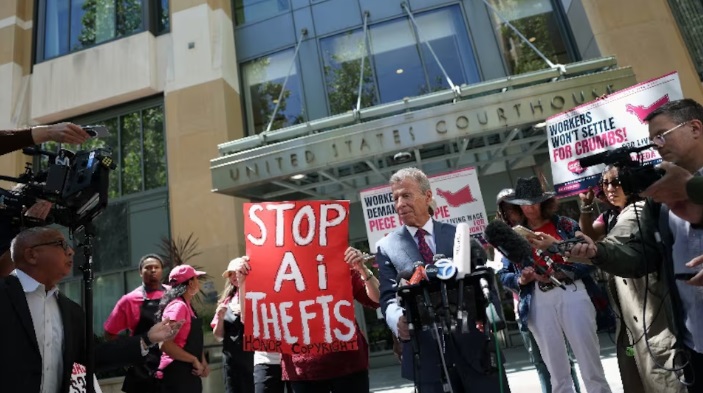
The high-profile legal battle between Elon Musk and OpenAI became one of the most closely watched technology trials of 2026, drawing attention to artificial intelligence, corporate power, and the future direction of advanced AI systems.
Key Update: The courtroom battle revealed internal disagreements over OpenAI’s transformation into a major commercial AI company, while also exposing tensions between Elon Musk, Sam Altman, and other key figures in the AI industry.
How the Trial Started
Elon Musk filed a lawsuit accusing OpenAI and its leadership of abandoning the company’s original nonprofit mission focused on benefiting humanity.
Musk argued that OpenAI shifted toward commercial profit-making in ways that contradicted its founding principles.
Musk’s Main Claims
During the trial, Musk claimed that OpenAI leaders misrepresented the organization’s long-term goals while transforming it into a highly profitable AI company.
He reportedly sought major financial damages and changes to OpenAI’s leadership structure.
OpenAI’s Defence Strategy
OpenAI argued that Musk had long been aware of discussions surrounding commercial structures and funding plans.
The company also suggested that Musk previously supported ideas involving for-profit expansion before later criticizing the direction publicly.
Tensions Inside the Courtroom
The trial included intense exchanges between lawyers, executives, and witnesses.
Questions surrounding credibility, leadership decisions, and internal company communications became major parts of the courtroom arguments.
Focus on AI Safety and Power
The case also highlighted broader global concerns about artificial intelligence safety.
Musk repeatedly warned about the risks of powerful AI systems, while OpenAI defended its approach to developing advanced technologies responsibly.
The Jury’s Decision
The jury ultimately ruled against Musk, reportedly deciding that the legal challenge was filed too late under procedural rules.
The decision removed a major legal obstacle facing OpenAI and allowed the company to continue focusing on its business expansion plans.
Why the Trial Matters Globally
Experts believe the case may influence future debates around AI governance, nonprofit technology organizations, corporate control, and regulation of advanced artificial intelligence systems.
The trial also demonstrated how rapidly AI has become one of the world’s most politically and economically important technologies.
Final Thoughts
The Elon Musk versus OpenAI trial became far more than a corporate dispute.
It exposed deeper questions about who should control advanced artificial intelligence, how AI companies should operate, and whether public-interest missions can survive in a highly competitive technology industry.
Note: Legal disputes involving major AI companies may continue shaping future technology regulations and industry standards worldwide.



1.jpeg)






.jpeg)