Russian Airspace Breaches Raise Pressure on NATO Eastern Defences
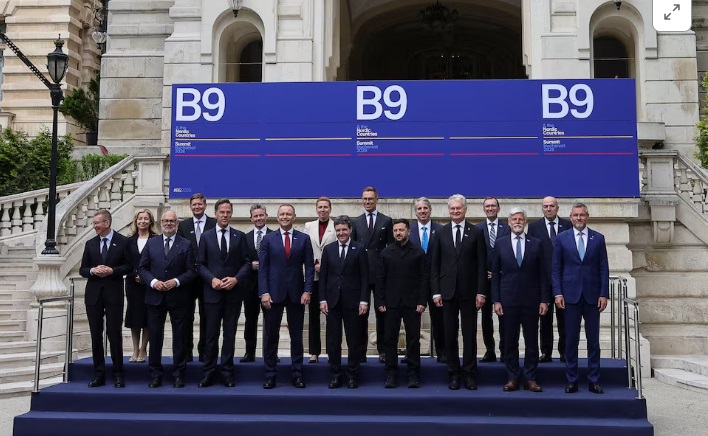
Recent Russian airspace violations near NATO territory have intensified calls for stronger air defence systems across Eastern Europe, according to security officials and defence analysts.
Key Update: NATO members on the alliance’s eastern flank are reportedly pushing for expanded air defence protection after repeated incidents involving Russian aircraft and missiles near their borders.
What Happened?
Reports indicate that several recent military incidents involving Russian aircraft and missiles triggered concern among NATO countries located close to the conflict zone in Eastern Europe.
Some officials believe these incidents exposed weaknesses in regional air surveillance and response systems.
Why NATO’s Eastern Flank Matters
NATO’s eastern flank includes countries located near Russia and areas affected by ongoing regional tensions.
These countries are considered strategically important because they serve as part of the alliance’s frontline security network.
Growing Concerns Over Air Defence
Security experts argue that modern aerial threats, including drones and missile systems, are becoming increasingly difficult to monitor and intercept.
Recent events have reportedly increased pressure on NATO to strengthen radar coverage, early warning systems, and defensive coordination across member states.
How NATO May Respond
Analysts expect NATO to continue expanding military cooperation and defensive preparedness in Eastern Europe.
Possible measures may include additional surveillance systems, joint military exercises, and stronger regional coordination between allied countries.
Broader Security Implications
The situation highlights growing geopolitical tensions between Russia and Western allies.
Experts warn that accidental airspace incidents or miscalculations could increase diplomatic pressure and security risks across Europe if tensions continue to rise.
Global Attention on European Security
International observers continue to monitor developments closely because European security issues often affect global diplomacy, energy markets, trade, and international relations.
The latest concerns surrounding NATO’s eastern flank have again drawn attention to the importance of regional defence coordination and crisis management.
Final Thoughts
The recent airspace incidents have renewed discussions about NATO’s readiness and the need for stronger defensive systems in Eastern Europe.
As regional tensions remain high, governments and military officials are expected to continue reviewing security strategies aimed at protecting allied territories and preventing escalation.
Note: International security situations can change rapidly as governments continue diplomatic and military discussions.
















1.jpeg)