16. May 2026
Admin
Arm Holdings Faces U.S. Antitrust Probe Over Chip Technology Licensing
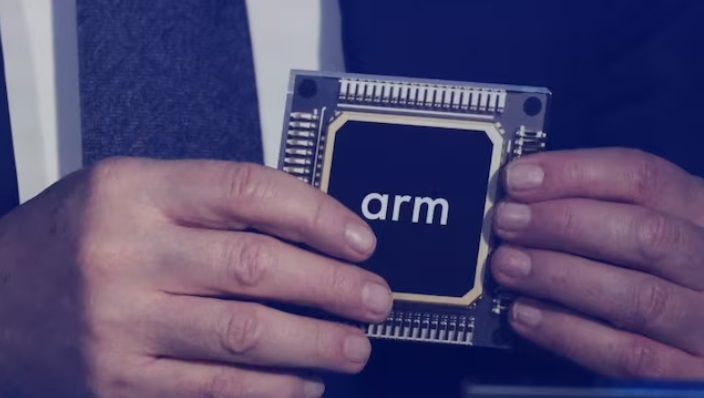
Arm Holdings is reportedly facing a U.S. antitrust investigation related to its chip technology licensing practices, according to reports.
The probe could increase regulatory pressure on one of the world’s most important semiconductor technology companies as global competition in artificial intelligence and advanced chips continues intensifying.
Key Update: U.S. regulators are reportedly examining whether Arm’s business practices may unfairly affect competition in the semiconductor industry.
What Is Arm Holdings?
Arm Holdings is one of the most important companies in the global semiconductor industry.
The company designs chip architecture used in:
- Smartphones
- Data centers
- Artificial intelligence systems
- Consumer electronics
- Automotive technology
Many major technology firms license Arm’s chip designs for their own processors.
What the Investigation Is About
According to reports, U.S. authorities are reviewing whether Arm’s licensing practices may:
- Limit competition
- Create unfair advantages
- Restrict rival chip companies
- Impact semiconductor innovation
Regulators are reportedly examining how Arm licenses its technology to customers and partners.
Why Arm Is So Important to the Tech Industry
Arm technology powers billions of devices worldwide.
Its chip designs are used by companies involved in:
- Mobile phones
- Artificial intelligence
- Cloud computing
- Internet of Things devices
- Advanced computing systems
Because of this dominance, regulators closely monitor Arm’s market influence.
AI Competition Is Increasing Pressure
Artificial intelligence has dramatically increased demand for advanced chips and computing infrastructure.
Technology companies are investing heavily in:
- AI processors
- Cloud computing infrastructure
- Data centers
- Semiconductor research
This has made chip technology one of the world’s most strategically important industries.
Global Semiconductor Tensions
The semiconductor industry has become increasingly tied to:
- National security concerns
- Global trade competition
- AI leadership races
- Supply chain stability
Governments worldwide are now paying closer attention to major chip companies and technology licensing practices.
Previous Regulatory Scrutiny
Arm has previously attracted regulatory attention during major industry deals and partnerships.
Regulators in several countries have become more aggressive in reviewing:
- Technology mergers
- Licensing agreements
- AI market concentration
- Semiconductor competition
Possible Impact on the Chip Industry
If regulatory pressure increases, the investigation could potentially affect:
- Chip licensing agreements
- AI infrastructure competition
- Semiconductor partnerships
- Technology company strategies
Investors are closely monitoring the situation because Arm plays a central role in global computing.
Why Antitrust Cases Matter in Technology
Governments increasingly worry that dominant technology firms could gain excessive control over:
- AI development
- Cloud computing
- Digital infrastructure
- Semiconductor ecosystems
Antitrust investigations are becoming more common across the global technology sector.
What Happens Next?
The reported investigation could lead to:
- Requests for additional information
- Regulatory hearings
- Potential legal actions
- Changes to licensing practices
At this stage, regulators are reportedly still reviewing the company’s practices.
Final Thoughts
The reported U.S. antitrust probe into Arm Holdings highlights how semiconductor companies are facing growing scrutiny as AI and advanced computing become increasingly important globally.
With artificial intelligence accelerating demand for powerful chips and cloud infrastructure, regulators are paying closer attention to competition, licensing control, and market dominance across the technology industry.
Tech Insight: Semiconductor companies are becoming some of the world’s most strategically important businesses because modern AI systems depend heavily on advanced chip technology.








.jpeg)











1.jpeg)