What is Hantavirus, What You Should Know and How to Prevent It
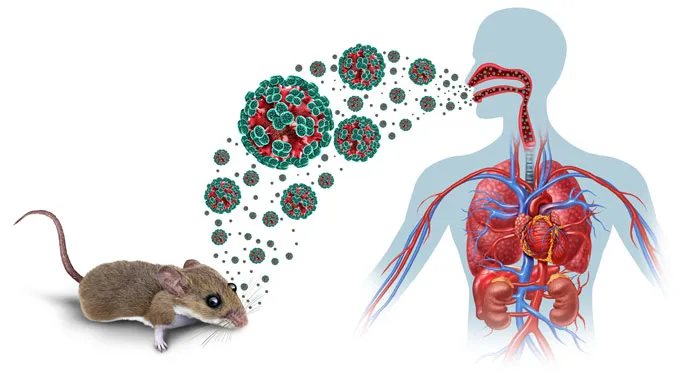
Hantavirus is a rare but serious virus carried mainly by rodents such as rats and mice. It can cause severe respiratory illness in humans and has drawn global attention due to recent outbreaks in confined environments. Understanding how it spreads and how to prevent it is important for staying safe.
Key Update: Hantavirus is not commonly spread between humans. Most infections occur through exposure to infected rodents or contaminated environments.
What is Hantavirus?
Hantavirus refers to a group of viruses carried by rodents. Humans become infected mainly by inhaling particles contaminated with rodent urine, saliva, or droppings.
In severe cases, it can lead to a condition called Hantavirus Pulmonary Syndrome, which affects the lungs and can become life-threatening if not treated early.
What You Should Know
Early symptoms of hantavirus infection often look like flu symptoms, including fever, fatigue, muscle aches, and dizziness.
As the illness progresses, it may cause breathing difficulties and severe lung complications. Because of how fast it can worsen, early medical attention is very important.
Although the virus is dangerous, human-to-human transmission is extremely rare.
How Hantavirus Spreads
The virus spreads mainly through contact with infected rodents. People can become infected when they inhale dust particles contaminated with rodent waste.
It can also spread in poorly cleaned areas where rodents have lived or nested, especially in closed environments like cabins, storage rooms, or rural buildings.
How to Prevent Hantavirus
Prevention focuses mainly on avoiding contact with rodents and keeping environments clean and sealed.
Homes and buildings should be properly sealed to prevent rodents from entering. Food should be stored in closed containers to avoid attracting rats and mice.
When cleaning areas that may have rodent contamination, avoid sweeping or vacuuming dry droppings. Instead, use disinfectants and wet cleaning methods to reduce the risk of inhaling contaminated particles.
Wearing gloves and masks during cleanup can also reduce exposure risk, especially in rural or high-risk areas.
Why Awareness Matters
Although hantavirus infections are rare, the severity of the illness makes awareness very important.
Understanding how it spreads and taking simple preventive steps can significantly reduce the risk of infection, especially in areas where rodent exposure is more likely.
Final Thoughts
Hantavirus is a rare but serious disease that can become life-threatening if not detected early. However, with proper hygiene, rodent control, and safe cleaning practices, the risk of infection can be greatly reduced.
Prevention remains the most effective protection against the virus.
Health Insight: Avoiding contact with rodents and contaminated environments is the most effective way to prevent hantavirus infection.
















.jpeg)