US Warns of Alleged China AI Data Theft as DeepSeek Faces Global Scrutiny
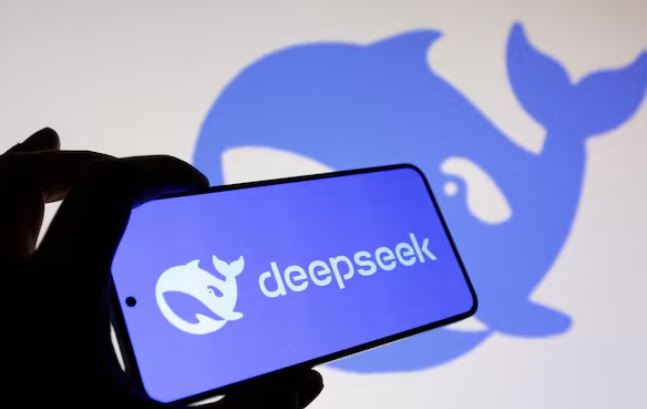
The United States has launched a global diplomatic warning campaign over alleged large-scale theft of artificial intelligence technology by Chinese companies, including the AI startup DeepSeek. The move highlights rising tensions in the global AI race, where intellectual property and model training data have become strategic national assets.
The allegations focus on concerns that advanced AI systems developed in the U.S. are being replicated or “distilled” into lower-cost models abroad, raising major cybersecurity and economic security concerns.
Quick Insight: In modern AI competition, stealing or replicating model intelligence is becoming just as valuable as stealing traditional software or data.
Rising Concerns Over AI Model “Distillation”
At the center of the controversy is a process known as AI “distillation,” where smaller models are trained using outputs from larger, more advanced systems.
While this technique is widely used in machine learning, U.S. officials argue that some companies may be using it to replicate proprietary AI systems without authorization.
This has raised concerns that advanced U.S. AI capabilities could be indirectly transferred to foreign competitors at a fraction of the development cost.
DeepSeek and Chinese AI Expansion
Chinese AI companies, including DeepSeek, have rapidly advanced in recent years, releasing powerful models that compete with leading Western systems.
Some of these models are optimized for alternative hardware ecosystems and are significantly cheaper to deploy, increasing their global adoption.
However, U.S. authorities claim this rapid progress may partly rely on the extraction or replication of proprietary AI knowledge developed by American labs.
Global Diplomatic Response
The U.S. State Department has instructed its embassies worldwide to raise awareness of these concerns with foreign governments.
The goal is to discourage reliance on AI models suspected of being derived from unauthorized use of American technology and to strengthen international cooperation on AI security standards.
China has denied the allegations, describing them as politically motivated and reaffirming its commitment to intellectual property protection.
Why This Matters for Cybersecurity
The situation highlights how AI has become a critical cybersecurity and national security asset.
Unlike traditional software, modern AI models contain vast embedded knowledge learned from expensive training processes. If replicated without authorization, it can significantly reduce the competitive advantage of the original developers.
This raises new challenges around protecting AI systems from extraction, reverse engineering, and unauthorized replication.
The Future of AI Competition
As global AI development accelerates, governments are increasingly treating artificial intelligence as a strategic resource.
Expect tighter export controls, stronger intellectual property enforcement, and increased monitoring of AI model usage across borders.
The competition is no longer just about building better AI — it is about protecting it.
Final Thoughts
The growing dispute over AI model theft reflects a new digital arms race where data, algorithms, and training methods are as valuable as physical technology.
As AI continues to evolve, cybersecurity will expand beyond protecting networks — it will include protecting intelligence itself.
Tip: In the AI era, protecting intellectual property is no longer optional — it is a core part of national and corporate cybersecurity strategy.


















































.jpg)