Jensen Huang Backs California Billionaire Tax Debate as Ro Khanna Pushes Wealth Policy Shift
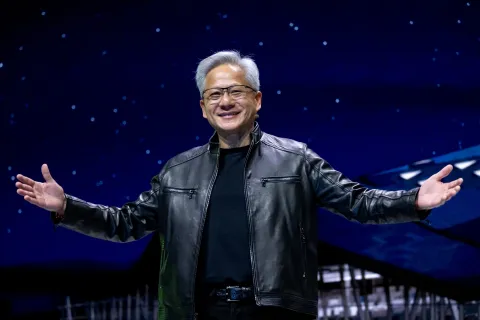
Nvidia CEO Jensen Huang has spoken publicly about California’s proposed billionaire tax while engaging in broader policy discussions with U.S. lawmaker Ro Khanna. The debate reflects growing tension in Silicon Valley over wealth taxation, talent retention, and the future of innovation in the United States.
Quick Insight: The billionaire tax debate in California is becoming a major flashpoint between tech leaders, policymakers, and investors over innovation versus wealth redistribution.
Jensen Huang’s Position on the Tax Debate
Jensen Huang, one of the world’s most influential tech CEOs, has indicated that he is not opposed to California’s proposed billionaire tax.
He has previously stated that he is comfortable with high taxes in California and emphasized that talent concentration is more important than tax rates for Silicon Valley’s success.
Ro Khanna’s Policy Push
U.S. Representative Ro Khanna has been a strong supporter of wealth tax proposals targeting billionaires.
His position is part of a broader progressive agenda aimed at increasing funding for public services such as healthcare, education, and infrastructure.
Stanford Discussions on AI and Economy
Jensen Huang and Ro Khanna have both participated in policy discussions at Stanford University focused on artificial intelligence, innovation, and the U.S. economy.
These conversations often highlight the importance of maintaining U.S. leadership in AI while managing regulation and economic fairness.
Debate Over Talent Migration
Some tech leaders warn that high taxes could encourage billionaires and companies to move out of California.
However, Huang argues that Silicon Valley remains attractive due to its talent ecosystem rather than tax advantages.
Support and Opposition Split
The billionaire tax proposal has divided the tech and political landscape.
Supporters see it as a way to fund public programs and reduce inequality, while critics argue it could harm innovation and investment in the state.
Broader Economic Implications
The debate extends beyond California, reflecting global conversations about how governments should tax extreme wealth in the age of artificial intelligence and rapid technological growth.
It also raises questions about how to balance innovation, fairness, and economic competitiveness.
Final Thoughts
The discussion involving Jensen Huang and Ro Khanna highlights a growing divide in how policymakers and tech leaders view wealth, taxation, and innovation.
As AI and tech industries continue to expand, these debates are likely to intensify, shaping future economic policy in the United States and beyond.
Tip: Technology policy decisions can directly affect innovation, startups, and job creation. Understanding these debates helps you follow future trends in business and AI development.