Australia and European Countries Move to Restrict Children’s Social Media Access
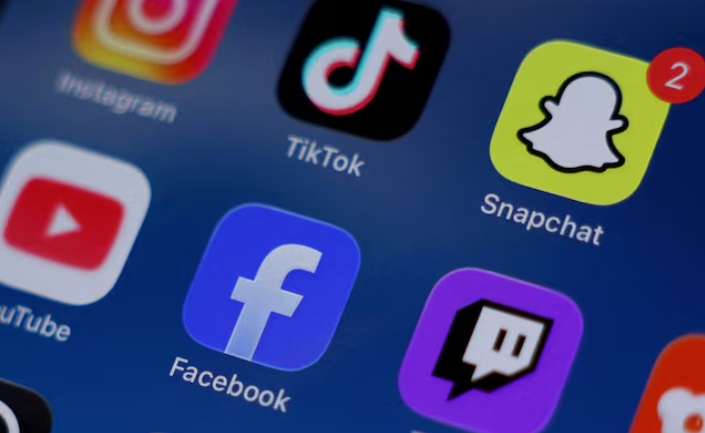
Australia and several European countries are introducing new laws aimed at restricting children’s access to social media platforms, marking one of the most coordinated global efforts yet to regulate how minors interact online.
Quick Insight: A growing number of governments are tightening social media rules for children, with age limits ranging from 13 to 16 as concerns rise over online safety and mental health.
Australia Leads with Strict Under-16 Ban
Australia has taken the most aggressive step by enforcing a nationwide ban preventing children under 16 from accessing social media platforms.
Major platforms such as Instagram, TikTok, YouTube, and Facebook are affected, and companies face heavy penalties if they fail to comply.
European Countries Follow with New Laws
Across Europe, countries including France, Austria, Spain, Greece, and others are introducing or planning laws that restrict or regulate social media access for minors.
Some countries are setting limits around ages 14 to 16, often requiring parental consent or full restrictions for younger users.
Brazil and Other Nations Join the Movement
Outside Europe and Australia, countries like Brazil are also tightening rules by requiring parental-linked accounts for minors and banning addictive features such as infinite scrolling.
This shows the issue is becoming a global regulatory priority.
Why Governments Are Taking Action
The main concerns include cyberbullying, addictive platform design, mental health risks, and exposure to harmful content.
Lawmakers argue that children are spending too much time online without enough protection from digital risks.
Tech Companies Under Pressure
Social media companies are now being required to implement stronger age verification systems and safety tools.
However, critics argue that enforcement is still difficult and many underage users continue to access platforms.
Ongoing Debate Over Effectiveness
While supporters believe these laws will protect children, critics warn that enforcement challenges could make the rules less effective.
There are also concerns that overly strict measures may push younger users toward less regulated online spaces.
Final Thoughts
The global push to restrict children’s access to social media shows how seriously governments are now treating digital safety.
As more countries adopt similar laws, the way young people use the internet could change significantly in the coming years, with stricter age controls becoming the new global standard.
Tip: Digital rules are changing fast worldwide. Understanding social media regulations can help you stay aware of online safety, privacy, and future internet trends.