China’s Caocao Unveils Plans for Global Rollout of Custom Robotaxis in 2027
China’s ride-hailing company Caocao has announced ambitious plans to deploy thousands of fully customized robotaxis globally, marking a major step forward in the autonomous vehicle race. The initiative highlights China’s growing push into next-generation mobility and smart transportation systems.
Quick Insight: Caocao is betting on purpose-built robotaxis — not modified cars — to reduce costs and scale faster in the global autonomous ride-hailing market.
Global Robotaxi Rollout Plans
Caocao, backed by Geely, plans to deploy thousands of its driverless vehicles as early as 2027, with large-scale rollout expected by 2028.
The company aims to expand its fleet to as many as 100,000 robotaxis by 2030, signaling a long-term commitment to dominating the autonomous mobility sector.
Introducing the “Eva Cab”
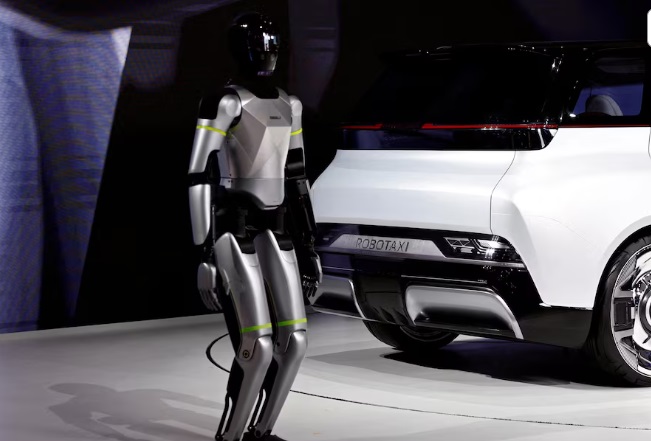
The robotaxis, known as “Eva Cab,” are fully customized vehicles designed specifically for driverless ride-hailing services.
Unlike many competitors that modify existing cars, Caocao’s approach focuses on building vehicles from the ground up to improve efficiency and user experience.
Unique Design Features
The Eva Cab includes a redesigned interior with simplified storage and fewer compartments, reducing the chances of passengers leaving items behind.
The streamlined design also helps lower production costs, making the vehicles more affordable compared to traditional private cars.
Initial Deployment Locations
The first wave of robotaxis will be launched in key global locations, including Abu Dhabi, Hong Kong, and several cities across mainland China.
Production, delivery, and deployment are expected to happen almost simultaneously to accelerate market entry.
Rising Competition in Robotaxis
Caocao’s expansion sets up competition with global players developing similar technologies, including Tesla and other autonomous mobility companies.
As more companies invest in self-driving technology, the race to dominate robotaxi services is becoming increasingly intense.
China’s Broader Mobility Strategy
The move reflects a wider trend among Chinese automakers to expand globally with advanced technologies such as electric vehicles and autonomous driving systems.
By focusing on smart mobility solutions, China aims to position itself as a global leader in future transportation.
Final Thoughts
Caocao’s robotaxi strategy represents a bold step toward the future of transportation. By focusing on purpose-built autonomous vehicles and rapid global deployment, the company is positioning itself as a key player in the evolving mobility ecosystem.
If successful, this approach could reshape urban transport, making driverless ride-hailing more efficient, affordable, and widely accessible across the world.
Tip: Autonomous vehicles are shaping the future of transport. Understanding trends like robotaxis can help you spot opportunities in tech, mobility, and smart city development.