IMF Cuts Global Growth Outlook, Warns of Possible Recession if Iran Conflict Escalates
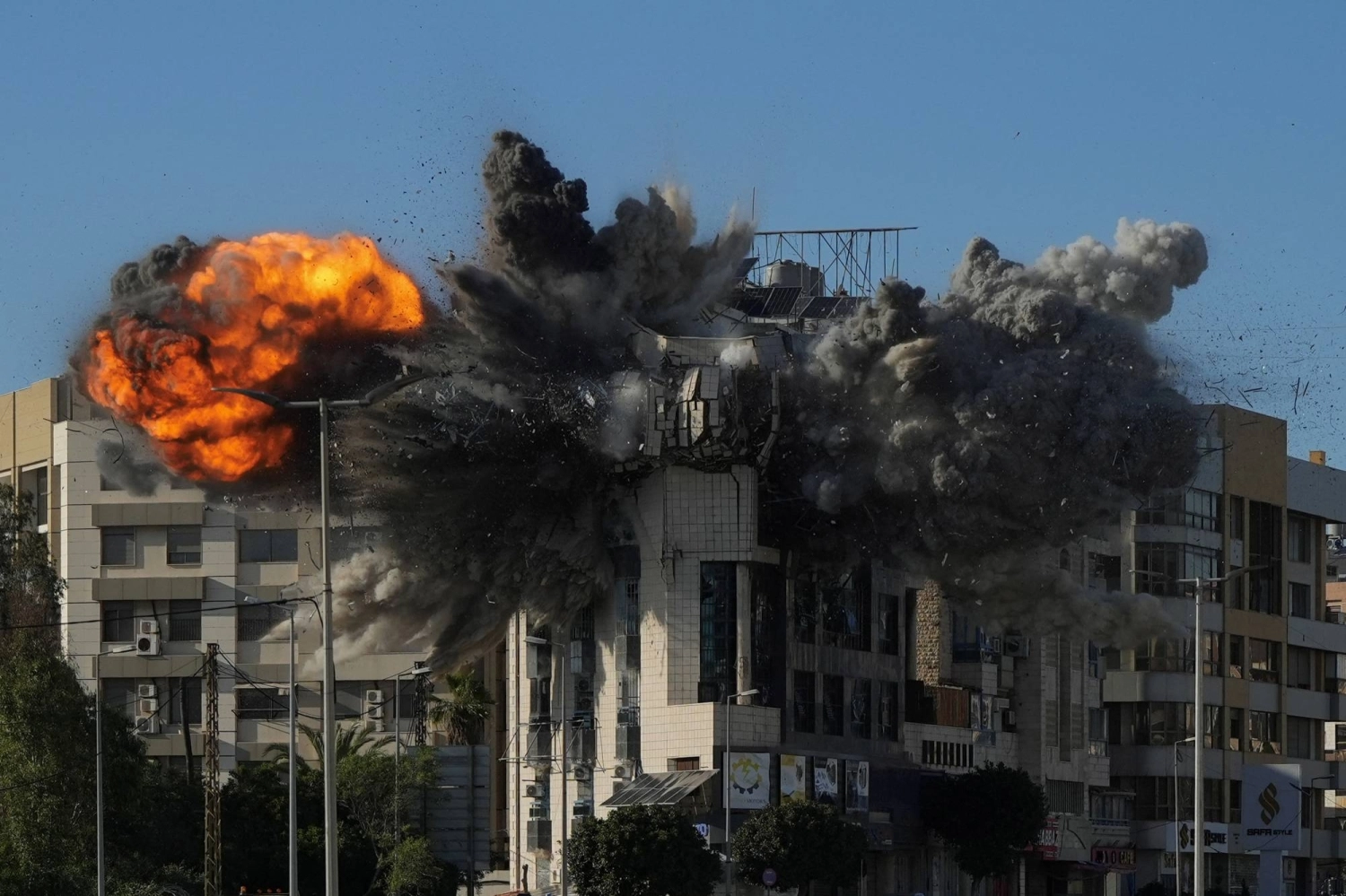
The International Monetary Fund (IMF) has downgraded its global economic growth outlook, warning that the world could face a potential recession if the ongoing conflict involving Iran intensifies.
The warning comes as rising energy prices and supply disruptions continue to shake global markets and increase uncertainty.
Quick Insight: The IMF says the global economy is already drifting toward a weaker growth path, with risks rising as oil prices remain high due to the conflict.
Why the IMF Cut Its Growth Forecast
The IMF reduced its growth outlook primarily due to disruptions in global energy supply caused by the conflict in the Middle East.
Shipping challenges and reduced oil flows have pushed prices higher, creating ripple effects across industries and economies.
Even before the conflict, global growth was stabilizing, but rising energy costs have reversed some of that progress.
Three Possible Economic Scenarios
The IMF outlined three potential paths for the global economy depending on how the conflict evolves:
- A mild scenario where the conflict is short-lived and markets stabilize
- An adverse scenario with prolonged disruption and slower growth
- A severe scenario where extended conflict leads to major economic decline
In the worst-case scenario, global growth could fall to around 2%, bringing the world close to a recession.
Impact of Rising Oil Prices
Oil prices are a key factor driving the economic outlook.
If prices remain around or above $100 per barrel for an extended period, it could significantly increase inflation worldwide.
Higher energy costs affect transportation, manufacturing, and food production, leading to increased prices for consumers and businesses.
Inflation Pressures and Interest Rates
The IMF warns that sustained high inflation could force central banks to tighten monetary policy again.
This means higher interest rates, which can slow economic activity and reduce investment.
Such conditions make it more difficult for economies to recover and could increase the risk of recession.
Global Impact Across Regions
The effects of the slowdown will not be evenly distributed:
- Energy-importing countries are expected to suffer the most
- Europe and Japan may face stronger economic pressure due to higher energy costs
- Emerging markets could experience increased financial instability
Some economies may remain resilient, but overall global growth is expected to weaken.
Financial System Risks
Beyond growth concerns, the IMF also warned about rising financial stability risks.
Market volatility, increasing debt levels, and tightening credit conditions could strain global financial systems.
These factors could lead to reduced lending, lower investment, and slower economic expansion.
What Could Prevent a Recession
The IMF suggests that a quick resolution to the conflict and stabilization of oil supply would help improve the outlook.
Policymakers are also encouraged to provide targeted support to vulnerable sectors while maintaining economic stability.
What This Means for Everyday Life
For individuals, the economic slowdown could translate into higher fuel prices, increased cost of living, and slower job growth.
Businesses may also face higher operating costs, which could impact wages, hiring, and overall economic activity.
Final Thoughts
The IMF’s warning highlights how closely global economic stability is tied to geopolitical events.
As the conflict continues, the balance between growth, inflation, and financial stability remains fragile.
Whether the world avoids a recession will largely depend on how quickly tensions ease and energy markets return to normal.
Tip: Keep an eye on global oil prices—they are one of the biggest indicators of future inflation and economic stability.






.jpeg)



1.jpeg)