Sam Altman Says AI Superintelligence Is So Big We Need a “New Deal”; Critics Question OpenAI’s Policy Vision
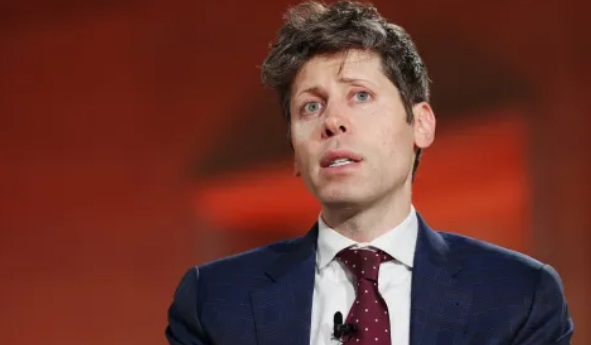
OpenAI CEO Sam Altman has sparked a new debate by saying that the world needs a sweeping new approach to economic and social policy — similar in spirit to the historic New Deal — to prepare for the coming age of artificial superintelligence. However, critics argue that OpenAI’s policy proposals may be too vague and could serve more to protect its own interests than truly regulate transformative AI technology.
Quick Insight: Altman’s call for a modern “New Deal” reflects concerns about the economic and societal disruptions that powerful AI systems might bring, from job displacement to restructuring how work and wealth are organized.
What Altman Proposed
In a detailed policy document, Altman and his team at OpenAI outlined big ideas for how governments and societies might adapt to AI that could outperform humans at most tasks. These suggestions include tax reforms, new wealth distribution mechanisms, and rethinking work structures as machines take over more jobs.
A “New Deal” for the AI Era
The comparison to the New Deal highlights the scale of change Altman believes is coming. That historic era in the 1930s reshaped the U.S. economy during the Great Depression. Applying a similar vision to AI would involve modern policy tools designed to spread benefits, protect workers, and secure economic stability during rapid technological transformation.
Key Policy Ideas
Among the concepts in the paper are proposals for:
- New tax systems that focus on automated labor and corporate tech gains
- Public wealth funds to share AI-driven economic growth widely
- Shorter workweeks to balance productivity gains with leisure time
- Stronger safety nets and social support for displaced workers
Critics Push Back
Some policy experts and commentators question whether the ideas are detailed or actionable enough. Critics say that while proposing big concepts is useful for public discussion, the document may lack concrete mechanisms for implementation and could be seen as giving tech companies more influence over the rules that govern them.
Why This Matters
AI systems that can outperform humans — often referred to as “superintelligence” — could reshape economies, labor markets, and global power structures. Preparing for those changes raises questions about fairness, power, wealth distribution, and governance at a scale not seen since the industrial revolution.
The Debate Over AI Governance
The release of these ideas has sparked discussion among policymakers, academics, and industry leaders about the best way to manage AI’s growth. Some see Altman’s proposals as a starting point for a necessary conversation; others worry they are more about branding and influence than genuine regulation.
Final Thoughts
As artificial intelligence continues to evolve, leaders like Sam Altman are trying to set the agenda for how society should adapt. Whether these proposals lead to meaningful policy change or spark broader debate, they highlight the urgency with which nations must address the economic and social questions raised by next‑generation technology.
Tip: Major technological shifts often require new thinking about work, wealth and governance. Keeping up with proposed policy frameworks can help individuals and businesses prepare for future changes.




.jpeg)















1.jpeg)