04. April 2026
Admin
Trump Administration Considers Expanding Crackdown on Chinese Tech Gear
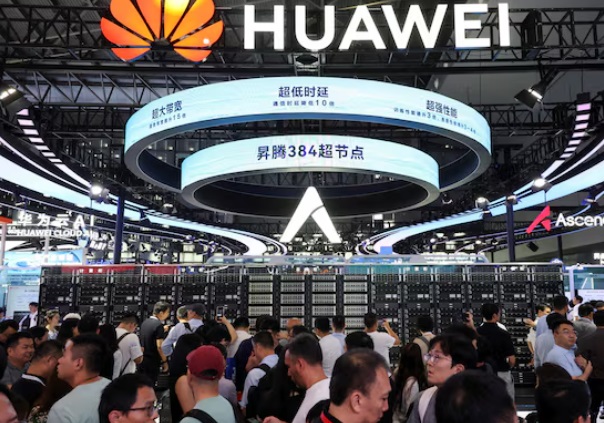
The U.S. Federal Communications Commission (FCC) is considering a proposal that would expand restrictions on Chinese‑made telecommunications and surveillance equipment by banning not only new models but also certain previously approved imports from major Chinese manufacturers.
Quick Insight: This move is part of broader U.S. efforts to tighten national security controls over foreign technology seen as posing risks to critical infrastructure.
Proposal Details
The FCC’s proposal seeks public comment on whether equipment from companies like Huawei, ZTE, Hikvision, Hytera and Dahua — previously added to a “Covered List” due to national security concerns — should have continued imports barred, even if the products were authorized before 2022.
Background of FCC Actions
In 2021, the FCC added Chinese telecom and surveillance gear makers to its Covered List, then in 2022 stopped authorizing the import or sale of new models from those firms. The new proposal aims to now potentially extend the ban to some older models previously allowed.
National Security Rationale
U.S. regulators argue that prohibiting continued imports of Chinese equipment is necessary to protect the U.S. communications sector against potential threats linked to foreign state influence and technology vulnerabilities.
Industry and Global Technology Context
The proposal follows a series of actions targeting Chinese‑made technology, including earlier bans on certain drones and consumer routers, reflecting Washington’s heightened focus on securing supply chains and critical infrastructure.
Final Thoughts
If finalized, the expanded restrictions could reshape how U.S. businesses procure foreign telecommunications and security equipment, amplifying existing tensions between the U.S. and China over trade, technology leadership and national security concerns.
Tip: Keep an eye on changing tech trade rules — they can influence global supply chains, consumer markets and national security policies alike.