Over 200 Organizations Urge YouTube to Ban “AI Slop” from Kids’ Content
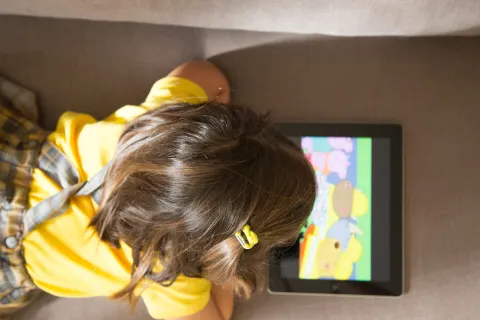
More than 200 organizations and experts have called on YouTube and its parent company Google to take urgent action against the rise of low-quality AI-generated videos, commonly referred to as “AI slop,” especially on children’s content platforms.
Quick Insight: Advocacy groups warn that AI-generated “slop” content is flooding YouTube Kids, potentially harming children’s development and attention spans while generating massive revenue for content creators.
What Is “AI Slop”?
“AI slop” refers to mass-produced, low-quality videos created using artificial intelligence. These videos are often repetitive, misleading, or nonsensical, designed primarily to capture attention and generate clicks rather than provide meaningful value.
Why Experts Are Concerned
Child development experts argue that this type of content can distort reality, overwhelm learning processes, and keep children glued to screens for longer periods. Many of these videos appear educational but often contain incorrect or confusing information.
Demands from Advocacy Groups
The organizations are pushing for stricter measures, including banning AI-generated content entirely from YouTube Kids, labeling all AI-created videos clearly, and giving parents tools to block such content from appearing in recommendations.
Accusations Against YouTube
Critics argue that YouTube is not doing enough to control the spread of AI slop and may even be benefiting financially from the massive engagement these videos generate. This has raised concerns about platform responsibility and ethics.
YouTube’s Position
YouTube has acknowledged the issue and stated that managing low-quality AI content is a priority. The company says it is working on improving content quality controls and transparency, but critics believe stronger action is needed.
Final Thoughts
The rise of AI-generated content presents both opportunities and risks. While AI can enhance creativity, unchecked low-quality content could reshape how children learn and interact with digital media, making regulation and oversight more important than ever.
Tip: Parents should actively monitor what children watch online. Not all “educational” content is reliable—especially in the age of AI-generated media.