23. March 2026
Admin
Cuba Begins Recovery After Second Nationwide Power Grid Collapse in One Week
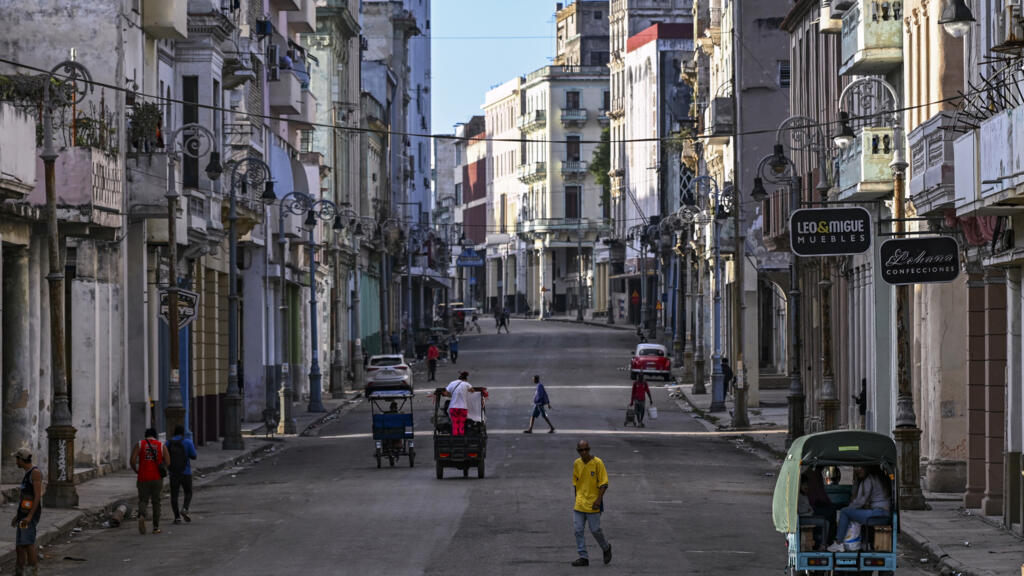
Cuba has begun recovery efforts after its national power grid collapsed for the second time in just one week, leaving millions without electricity and deepening the country’s ongoing energy crisis.
Quick Insight: The blackout affected around 10 million people, with power restored to only parts of Havana within 24 hours.
Massive Nationwide Blackout
The latest outage was triggered by a failure at a major power plant, causing a cascading collapse across the entire grid. This marks the third major blackout in Cuba within the month of March alone.
Partial Power Restoration
Authorities managed to restore electricity to about half of the capital, Havana, including hundreds of thousands of homes and several hospitals, less than a day after the collapse.
Fuel Shortage at the Core
Cuba’s energy crisis is being driven largely by severe fuel shortages. Limited diesel supplies and difficulties importing oil have significantly reduced the country’s ability to generate electricity.
Impact on Daily Life
The blackout disrupted internet and mobile services, healthcare systems, and everyday activities across the island. Many regions continue to experience extended outages due to limited power capacity.
Political and Economic Tensions
The crisis has been intensified by ongoing tensions with the United States, including an oil blockade that has restricted Cuba’s access to fuel. Cuban authorities blame external pressure, while U.S. officials point to internal economic challenges.
Final Thoughts
Cuba’s repeated power grid failures highlight the fragility of its energy infrastructure. While recovery efforts are underway, long-term stability will depend on resolving fuel shortages and upgrading outdated systems.
Tip: Energy infrastructure plays a critical role in national stability. Countries investing in diverse energy sources are better protected against large-scale outages.