Trump’s Iran War Could Explode U.S. National Debt and Shake the Global Economy
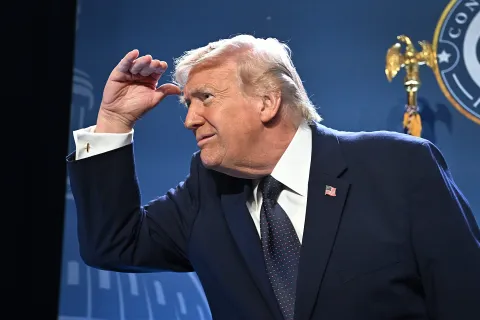
Economic analysts are warning that the United States’ rapidly growing national debt could worsen dramatically as military spending rises during the ongoing conflict with Iran. The situation is raising concerns among economists about the long-term financial stability of the U.S. government and the global economy.
Quick Insight: The U.S. national debt has already surpassed $38 trillion, and the ongoing military campaign in Iran is estimated to cost nearly $1 billion per day.
A Debt Crisis Already in Motion
Even before the conflict began, the United States was already experiencing a rapid increase in government borrowing. The national debt had been rising at one of the fastest rates outside of major economic crises, placing the federal government under increasing financial pressure.
The Cost of War
Military operations related to the conflict with Iran are expected to consume massive financial resources. Analysts estimate that the war effort could cost hundreds of millions of dollars every day, placing additional strain on the U.S. budget and increasing borrowing requirements.
Global Economic Consequences
The conflict has already begun affecting global markets. Rising oil prices, supply chain disruptions, and uncertainty in the Middle East have triggered economic concerns worldwide. Since the region is a major energy supplier, instability could drive inflation and raise the cost of goods internationally.
Oil Prices and Energy Shocks
The war has disrupted one of the world’s most critical oil routes, the Strait of Hormuz, through which a significant portion of global oil supply travels. Any prolonged disruption could push energy prices higher and increase costs for transportation, manufacturing, and food production across the world.
Political and Economic Uncertainty
Economists say the biggest unknown is how long the conflict will last. A short-term operation may limit economic damage, but a prolonged war could significantly expand the U.S. deficit and trigger financial instability in global markets.
Final Thoughts
As the war with Iran unfolds, the financial consequences may stretch far beyond the battlefield. Rising government borrowing, higher energy prices, and global economic uncertainty could reshape the economic landscape in the years ahead.
Tip: Major geopolitical conflicts often affect more than politics. They can influence inflation, energy prices, and government debt levels across the entire global economy.





















.jpeg)


