09. March 2026
Admin
Joseph Stiglitz Warns: Buckle Up Before the Great AI ‘Reallocation’ Era Arrives
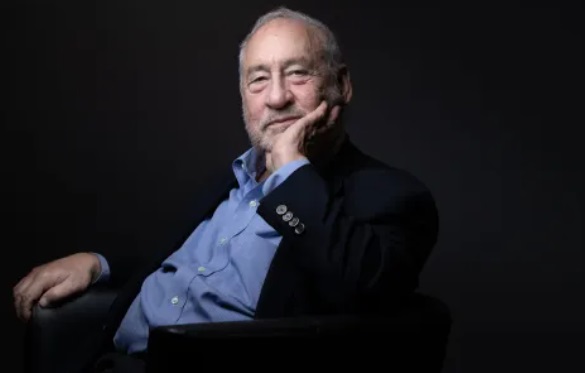
Nobel laureate **Joseph Stiglitz** warns that the rise of artificial intelligence is ushering in a “great reallocation” of jobs and economic resources. While AI has enormous potential to enhance productivity, he stresses that without proper policies and safeguards, workers and markets could face significant disruptions in the near future.
Quick Insight: The AI-driven reallocation may create both risks and opportunities — some industries may shrink or automate roles, while others expand and require new skills. Preparing for this shift is critical for workers, businesses, and policymakers alike.
The Coming AI Disruption
Stiglitz highlights that AI could automate routine tasks across multiple sectors, affecting not only manual labor but also white-collar jobs such as administration, analysis, and research. He warns that the current growth may resemble a speculative bubble if investment expectations are not managed carefully.
Worker Protections and Retraining
The economist emphasizes that governments and institutions need to implement retraining programs, social safety nets, and policies that help displaced workers transition to emerging roles, ensuring that AI benefits are broadly shared.
AI as a Partner, Not a Replacement
Looking ahead, Stiglitz sees a future where AI can **assist human work** rather than replace it completely. By focusing on complementary roles — such as AI-enhanced diagnostics in healthcare or planning in education — society can harness technology without sacrificing jobs entirely.
Final Thoughts
The “great AI reallocation” presents both challenges and opportunities. Stiglitz’s advice is clear: stakeholders must prepare now, through policy, education, and labor support systems, to ensure that AI becomes a tool for enhancing human potential rather than a source of economic dislocation.
Tip: Upskill and adapt — learning AI-complementary skills today may help secure career resilience during the upcoming era of AI reallocation.