OpenAI Robotics Leader Caitlin Kalinowski Resigns Over Pentagon AI Deal
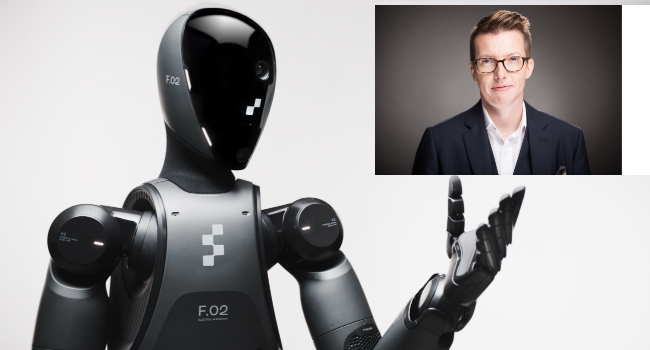
Caitlin Kalinowski, a senior robotics and hardware leader at OpenAI, has resigned in protest of the company’s agreement with the U.S. Department of Defense. Her departure highlights growing tensions over how artificial intelligence is used in national security, particularly concerns about surveillance and lethal autonomous systems.
Quick Insight: Kalinowski’s resignation reflects a broader ethical debate within the AI industry about military partnerships, with some experts arguing that AI systems should not be deployed in ways that could enable mass surveillance or autonomous weapons.
Principles Behind the Resignation
Kalinowski said she left OpenAI not because of disagreements with colleagues but “about principle, not people.” She emphasized that while AI can play a role in national security, certain actions—such as surveillance of Americans without judicial oversight and deployment of autonomous weapons without human authorization—require much deeper ethical and governance discussion than the Pentagon deal allowed.
Concerns Over AI Surveillance
In her public posts, Kalinowski warned that accepting government contracts without clear safeguards could lead to technology being used in ways that threaten privacy and civil liberties. Her position echoes similar concerns raised by other AI researchers who argue that ethical guardrails must be firmly established before deployment.
OpenAI’s Response and Safeguards
OpenAI has defended its agreement with the Defense Department, saying it includes strict protections that explicitly prevent its AI models from being used for domestic surveillance and autonomous weapons. The company has also said it plans to continue engaging with employees, governments, and civil society on responsible AI use.
Context: Anthropic and Pentagon AI Talks
Kalinowski’s resignation comes after the Pentagon’s negotiations with rival AI firm Anthropic collapsed. Anthropic’s leadership had refused similar terms over ethical concerns and was subsequently designated a “supply chain risk,” blocking its technology from military contracts.
Industry Reactions and Broader Debate
The controversy has sparked debate within the tech community about AI’s role in national defense. Some analysts say government partnerships are essential for innovation, while others argue such deals risk compromising ethical principles and public trust.
Final Thoughts
Caitlin Kalinowski’s resignation underscores the ethical challenges faced by AI companies as they balance innovation with responsibility. As artificial intelligence becomes more integrated with national security efforts, the debate over governance, human oversight, and ethical constraints is likely to intensify.
Tip: When following breakthroughs in AI and robotics, it’s important to understand both the technological possibilities and the ethical issues they raise—especially when deployed in critical national systems.