Google’s Minnesota Data Center Project Addresses Power Demand Without Raising Electric Bills
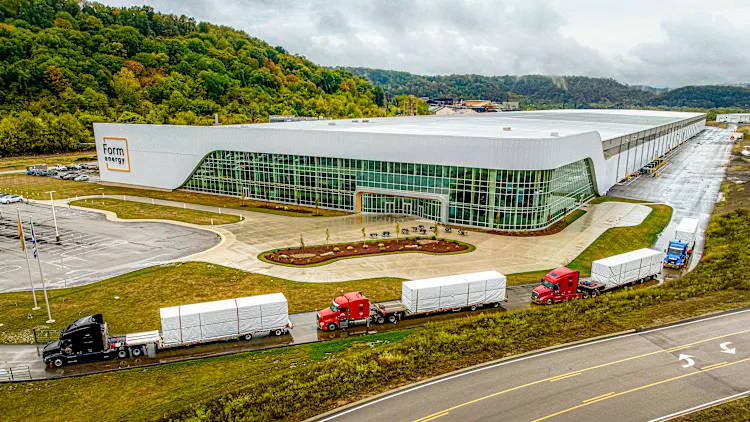
Google is building a new data center in Pine Island, Minnesota, and the project has sparked discussion about how large technology facilities affect local electricity systems and consumer bills. Rather than burdening ratepayers, the company and utility partners say the initiative will boost clean energy and protect affordability for residents.
Quick Insight: Under a unique partnership with Xcel Energy, Google will pay all associated energy costs and help fund new clean energy generation — meaning Minnesota customers shouldn’t see higher electric bills because of the new data center.
Clean Energy Partnership With Xcel Energy
Google and Xcel Energy have signed an agreement to power the new Minnesota facility with a combination of clean wind, solar, and innovative energy storage. The project includes nearly 1,900 megawatts of new renewable generation and a world-class battery storage system designed to support the grid — measures that increase capacity without shifting costs to local residents.
A New Model for Powering Data Centers
The project introduces a Clean Energy Accelerator Charge model, which requires Google to cover all grid upgrades and energy infrastructure costs for its data center’s power needs. This approach is intended to protect Minnesota’s electricity customers from increased rates, even as data center energy demand grows.
Addressing Energy Demand and Reliability
Data centers consume significant amounts of electricity, which has led to concerns in some states that utility bills could rise for ordinary customers. However, Minnesota’s agreement with Google ensures that new clean energy and storage investments expand the grid’s capacity while maintaining affordable rates for residents.
Clean Power and Grid Modernization
The new infrastructure, including wind and solar generation plus long-duration battery storage, contributes to Minnesota’s long-term clean energy goals and grid reliability. These investments help integrate renewable energy more broadly, benefiting communities beyond the data center itself.
Final Thoughts
While large data centers often raise debates about electricity usage and costs, Google’s Minnesota project is structured to avoid burdening local ratepayers. With major clean energy investments and clear cost responsibilities, the plan aims to serve as a model for future tech infrastructure that supports both economic growth and sustainable energy goals.
Tip: When tech companies build large facilities that require significant power, agreements that require them to fund new energy infrastructure can help keep everyday electricity bills stable for local communities.




1.jpeg)