Why Massive U.S. Attacks on Iran Are Considered Unlikely Despite Rising Tensions
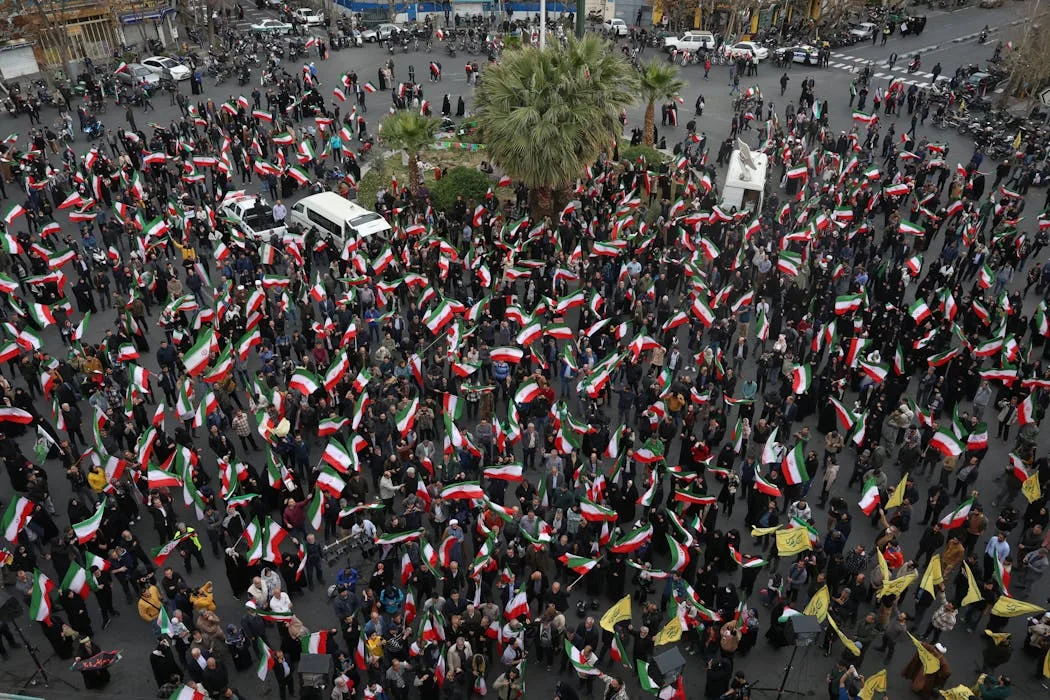
Rising tensions between the United States and Iran have sparked global concern about the possibility of a large-scale military confrontation. However, analysts and officials suggest that massive U.S. attacks on Iran remain unlikely, even as military deployments and threats increase across the region.
Quick Insight: Despite escalating rhetoric and military activity, strategic risks, global consequences, and diplomatic considerations make full-scale U.S. attacks on Iran unlikely in the near term.
High Risks of Regional Escalation
A major U.S. attack on Iran could trigger widespread retaliation across the Middle East. Iran has the capability to respond through missile strikes, proxy forces, and cyber operations, potentially targeting U.S. bases, allies, and global energy infrastructure. This could rapidly escalate into a broader regional conflict affecting multiple countries.
Global Economic Consequences
Iran plays a strategic role in global oil supply routes, especially through key shipping channels in the Middle East. A large-scale military strike could disrupt oil flow, increase energy prices worldwide, and create economic instability. Governments and global markets are highly sensitive to these risks.
Preference for Strategic Pressure Over Full War
Instead of launching massive attacks, the U.S. is more likely to rely on targeted actions, diplomatic pressure, sanctions, and defensive military positioning. This approach allows the United States to limit risks while maintaining influence and deterring potential threats without triggering a full-scale war.
Diplomacy Still Plays a Critical Role
Ongoing negotiations and diplomatic channels remain key tools for managing tensions. Even during periods of confrontation, both sides often keep communication open to avoid unintended escalation. Diplomacy provides a path to reduce conflict while protecting national interests.
Final Thoughts
While tensions between the United States and Iran remain serious, a massive military attack is unlikely due to the enormous political, economic, and strategic risks involved. Instead, the situation will likely continue to involve a mix of military readiness, strategic deterrence, and diplomatic engagement.
Tip: Understanding geopolitical conflicts helps you see how global events influence technology, energy prices, and international stability.