25. February 2026
Admin
NASA Covers Departure of SpaceX’s 33rd Resupply Mission From ISS
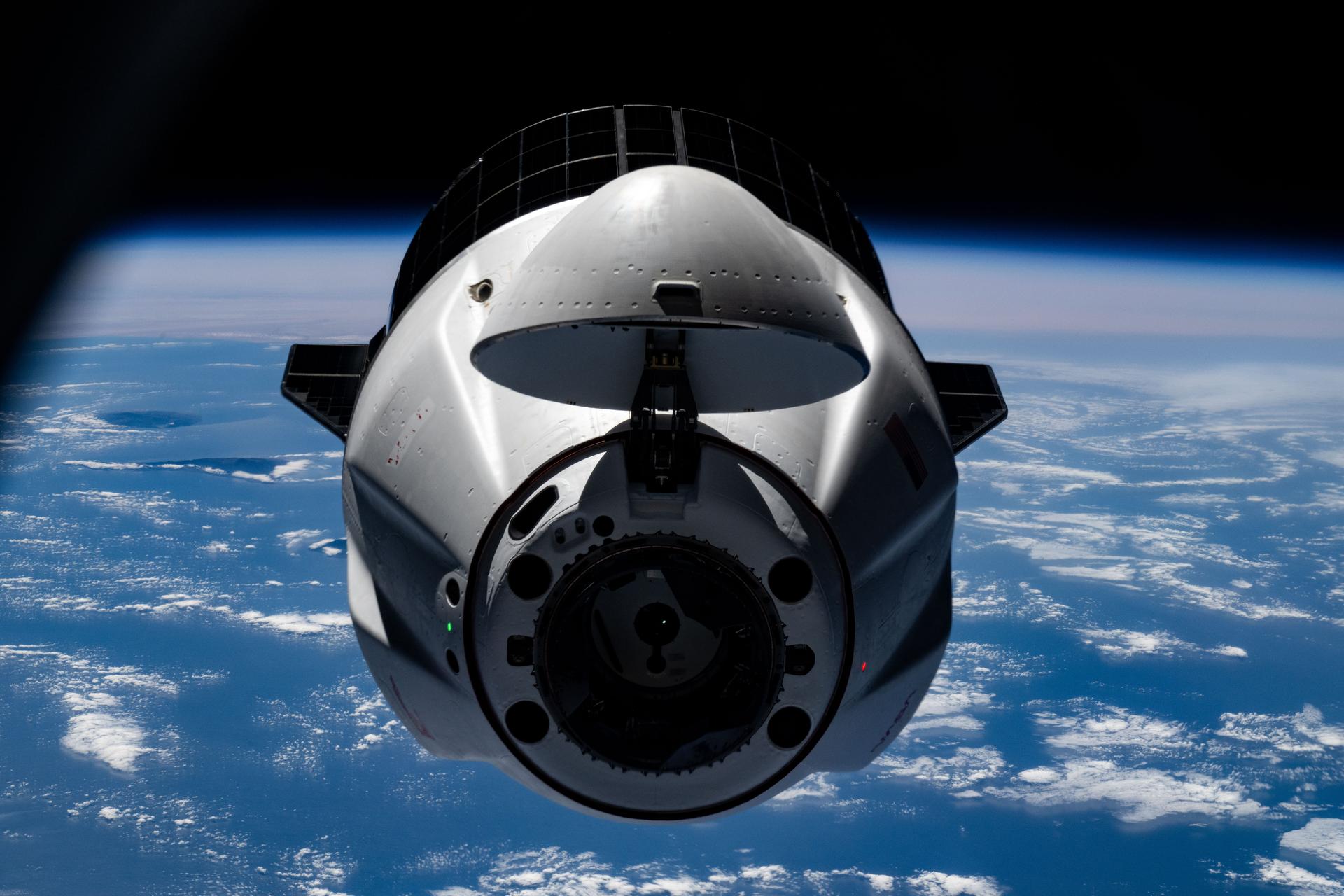
NASA provided live coverage of the departure of the **SpaceX Dragon spacecraft** from the International Space Station (ISS) on its **33rd Commercial Resupply Services (CRS‑33) mission**. The undocking took place on **February 26, 2026**, as the cargo vehicle prepared to return to Earth.
Quick Insight: The CRS‑33 mission not only delivered cargo to the ISS but also performed station reboosts and carried valuable science investigations — and now brings those experiments and hardware back home for analysis.
What Was Onboard
The Dragon spacecraft was loaded with **thousands of pounds of crew supplies, scientific investigations, and hardware**. Among the research returning to Earth were investigations into material aging in space, stem cell growth in microgravity, and portable diagnostic tools that could inform future moon and Mars missions.
New Reboost Capability
During its stay docked to the ISS, the Dragon spacecraft demonstrated a **new reboost capability**, firing its thrusters to help maintain the station’s altitude and counteract atmospheric drag — a critical task for long‑term station operations.
Live Coverage and Return
NASA’s live coverage of the **undocking and departure events** began mid‑morning on NASA’s streaming platforms, giving viewers around the world a front‑row look at the spacecraft’s departure.
Final Thoughts
Missions like CRS‑33 are vital for supporting the ISS crew and advancing scientific research that can benefit life on Earth and future space exploration. The departure of the Dragon capsule marks the next step in returning groundbreaking science safely back to researchers.
Tip: Space station resupply missions *both bring fresh supplies to astronauts and return science samples* to Earth — making them essential for both daily life in orbit and advancing research that can benefit humanity.