23. February 2026
Admin
China Develops Water-Based Battery That May Outlast Traditional Lithium Power
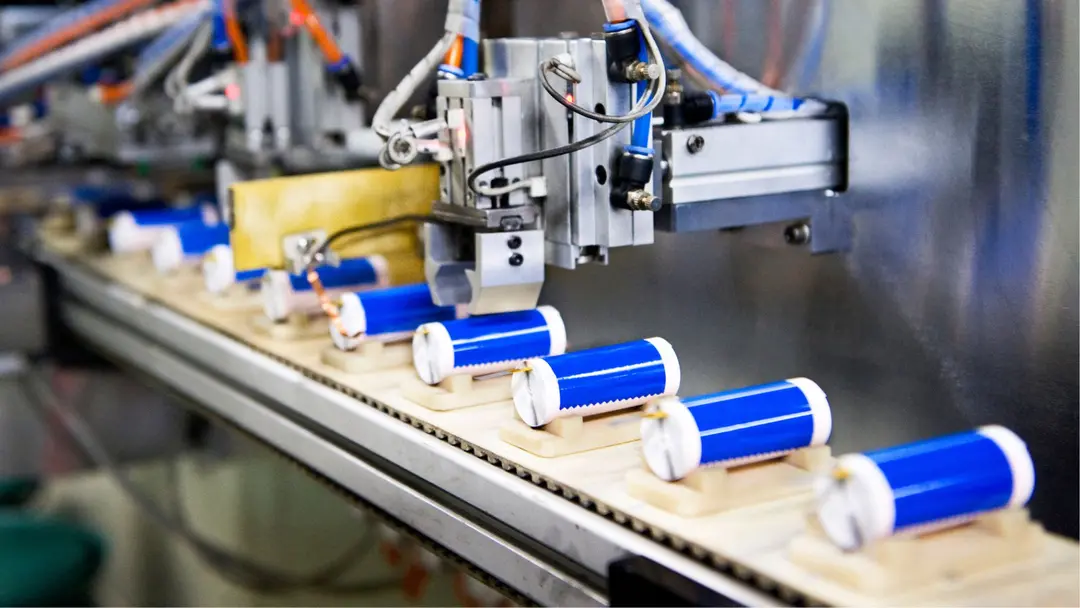
Engineers in China are advancing a new type of battery technology that uses water-based chemistry to store and deliver energy. Early tests suggest that this approach could **last longer and be safer than many conventional lithium-ion batteries**, which are widely used today in everything from electric vehicles to portable electronics.
Quick Insight: Water-based batteries can offer increased stability and reduced risk of overheating because they avoid the flammable components found in some lithium designs. This makes them attractive for stationary energy storage and other high-demand applications.
How Water Batteries Work
Unlike lithium-ion systems that rely on organic electrolytes, water-based batteries use a water-based solution to move ions between electrodes. This change in chemistry can improve safety and reduce the chances of fires or thermal runaway — a common concern with high-energy battery packs.
Potential Advantages
Early research points to several benefits of water-based batteries. These include the potential for **longer life cycles**, lower manufacturing costs, and enhanced safety. Because water is non-flammable and abundant, the design also avoids some of the environmental and supply-chain challenges associated with lithium extraction.
Where Water Batteries Could Be Used
Water-based batteries may be ideal for **stationary energy storage** — such as storing energy from solar or wind farms — where safety and longevity are priorities. They could also support grid infrastructure or backup power systems, offering a reliable alternative in places where lithium-ion systems pose risks due to heat or fire.
Challenges and Future Development
While promising, this new technology is still under development. Challenges remain in matching the energy density and power delivery of the best lithium-ion systems. Researchers continue tweaking materials and design to unlock the full potential of water-based energy storage.
Final Thoughts
Innovations like water-based batteries show that the future of energy storage may not be limited to lithium-ion technology. Safer, longer-lasting, and more sustainable designs could reshape how energy is stored for renewable power and everyday devices.
Tip: When learning about new energy technology, pay attention to how safety, cost, and environmental impact compare with existing solutions — these factors help determine real-world usefulness.