21. February 2026
Admin
USA Warns European Union of Consequences for Rejecting American Weapons
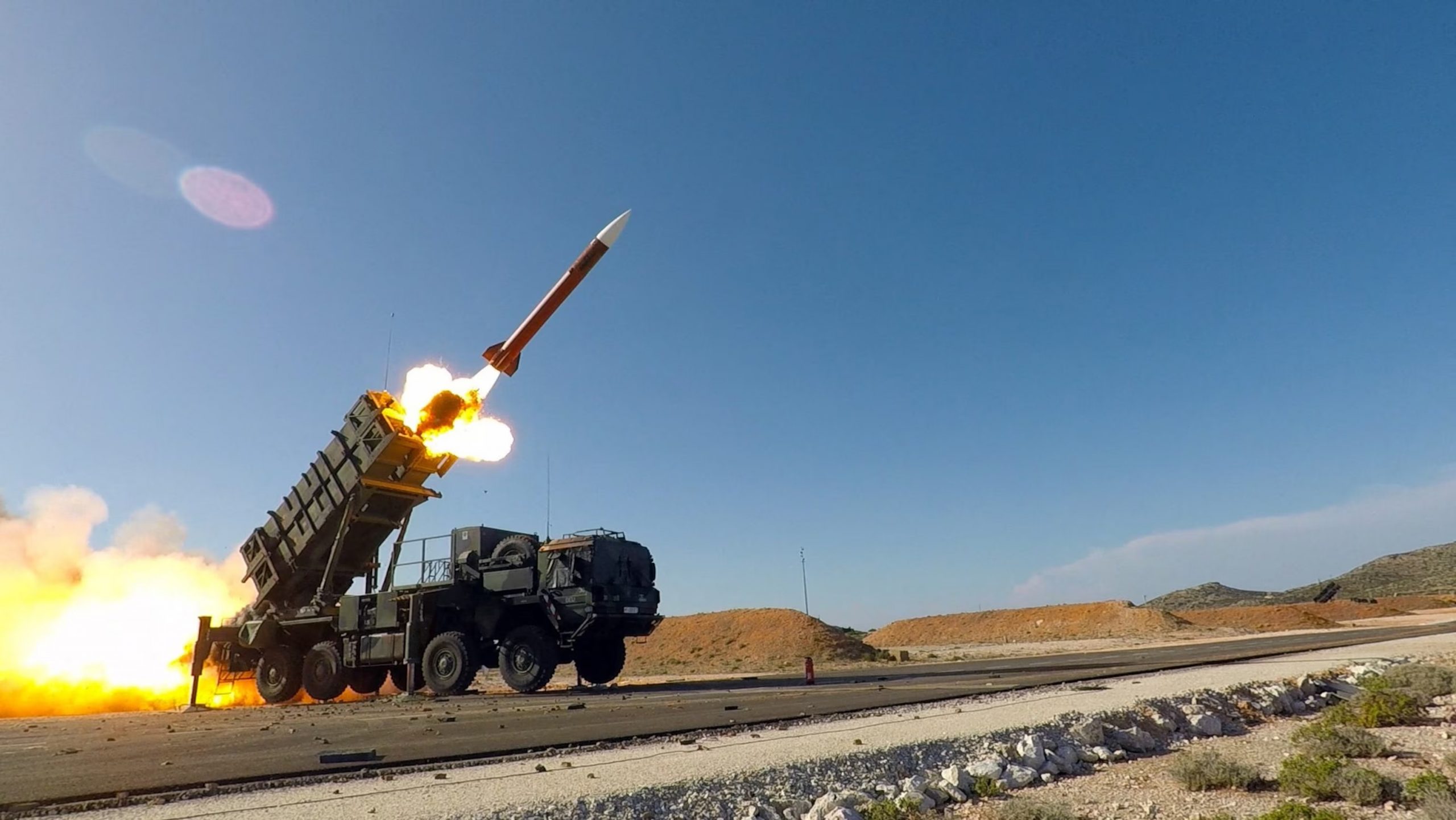
The United States government has issued a warning to the European Union about potential consequences if the bloc moves forward with rules that would favour European weapons manufacturers over American defence companies. This dispute revolves around proposed changes to Europe’s defence procurement policies.
Quick Insight: Washington opposes any procurement rules that would limit U.S. firms’ participation in European defence contracts, saying it could undermine cooperation and may lead to reciprocal actions.
What the U.S. Is Objecting To
The European Commission is preparing updates to its defence procurement rules that could include stronger “Buy European” clauses, which would prioritise European manufacturers when countries buy weapons and military equipment. U.S. officials argue that such protectionist measures would limit American firms’ ability to participate fairly in the EU market.
Warnings of Retaliation
U.S. defence and trade officials have warned that if binding “Buy European” requirements are introduced, Washington might reconsider exemptions it currently offers under its “Buy American” policies. This could make it harder for European companies to sell into the U.S. defence market.
Broader Impact on Transatlantic Cooperation
The dispute highlights tensions between encouraging European defence autonomy and maintaining strong cooperation with the United States, which has long supplied a large share of military equipment to European allies. How this policy debate plays out could influence future defence partnership and procurement decisions.
Final Thoughts
This warning from the U.S. reflects broader discussions about how Western allies balance national industrial interests with collective defence goals. Decisions made now could affect industry access, trade relationships, and cooperation within alliances like NATO in the long term.
Tip: International procurement rules can influence not just business opportunities but also diplomatic relationships — paying attention to these changes helps you understand how global cooperation evolves.