06. February 2026
Admin
Pentagon Asked to Probe SpaceX for Potential Chinese Ownership Stakes
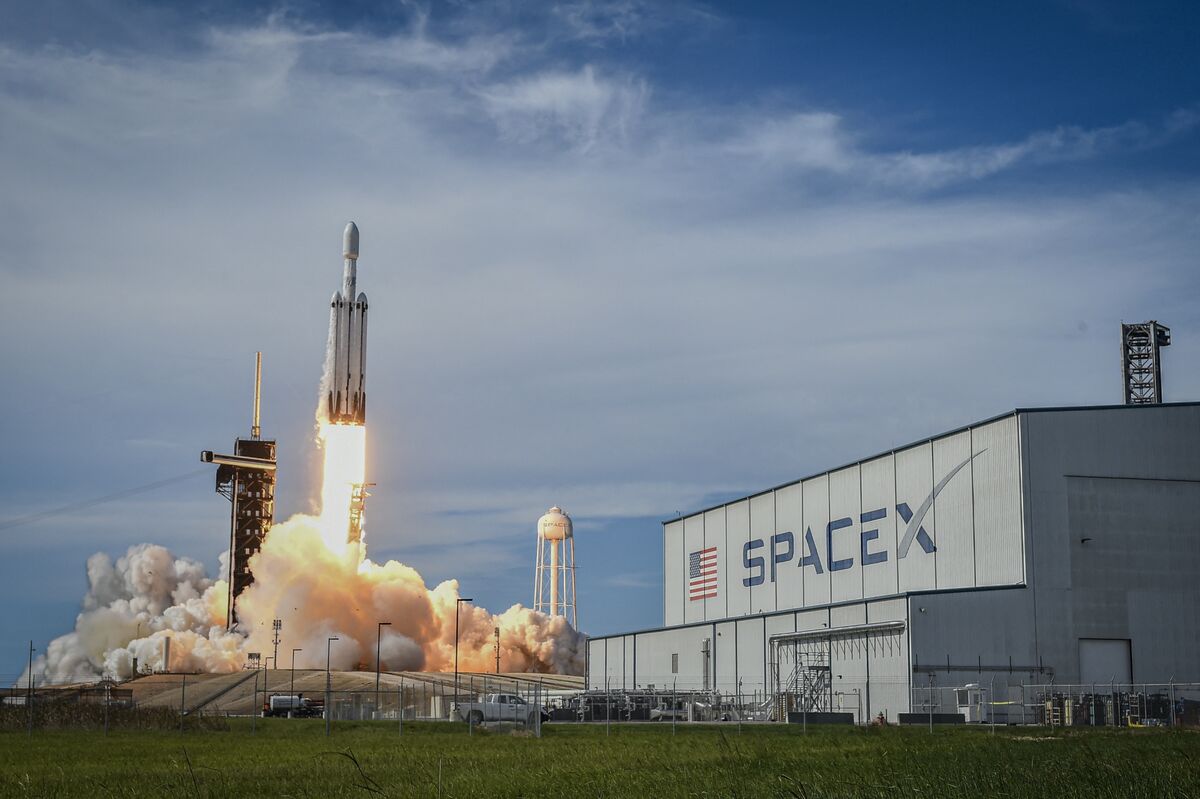
U.S. lawmakers have formally asked the Pentagon to investigate whether Chinese investors may have secretly acquired ownership stakes in SpaceX, the private aerospace and rocket company founded by Elon Musk. Concerns focus on possible national security implications given the company’s central role in U.S. military launches, intelligence satellite deployments, and global communications infrastructure.
Quick Insight: Because SpaceX works closely with the U.S. Department of Defense and handles sensitive technology, any foreign ownership — especially by adversarial nations — could raise questions about whether federal oversight and security rules are being met.
What Lawmakers Are Asking
Two U.S. senators recently sent a letter to the Secretary of Defense urging a review of SpaceX’s ownership structure. They want the Department of Defense to determine whether Chinese investors have acquired stakes in SpaceX through indirect or opaque financial arrangements.
The senators also asked whether SpaceX should be reviewed under U.S. rules governing foreign ownership, control or influence — known as FOCI (Foreign Ownership, Control, or Influence) — which are designed to protect national security interests.
Why This Raises National Security Questions
SpaceX is deeply involved in launching military and intelligence satellites and operates a global communications system used by the U.S. government. Because of this, lawmakers are concerned that hidden or undisclosed ownership by foreign entities — particularly those associated with rival nations — could pose risks to sensitive technologies or decision-making.
The letter asks for clarification on how much foreign investment exists, whether SpaceX complies with existing national security safeguards, and whether a formal review by the Committee on Foreign Investment in the United States (CFIUS) is necessary.
Context and Industry Role
SpaceX plays a major role in U.S. space and defense infrastructure, including launching critical satellites and supporting communications networks that are used by both civilian and military customers. Because of this, its ownership and governance structure are significant to policymakers focused on maintaining secure supply chains and tech ecosystems.
The request for a review comes at a time when global competition in space and aerospace technologies is intensifying, and when governments are increasingly attentive to how foreign investments intersect with national security.
Final Thoughts
Asking the Pentagon and defense officials to examine SpaceX’s ownership underscores the broader debate about how strategic technologies and infrastructure should be safeguarded. As private companies become intertwined with national defense and critical systems, lawmakers are pushing for transparency and oversight to ensure that sensitive technologies remain protected from influence or risk.
How this review unfolds and whether it leads to changes in regulations or oversight practices could shape future discussions about the balance between private innovation and national security.
Tip: In fields where technology overlaps with national defense and global competition, transparency in ownership and compliance with oversight rules are key to building trust and ensuring long-term stability.








.jpeg)