What’s Up With Rigetti Computing Stock — Could It Really Go to Zero?
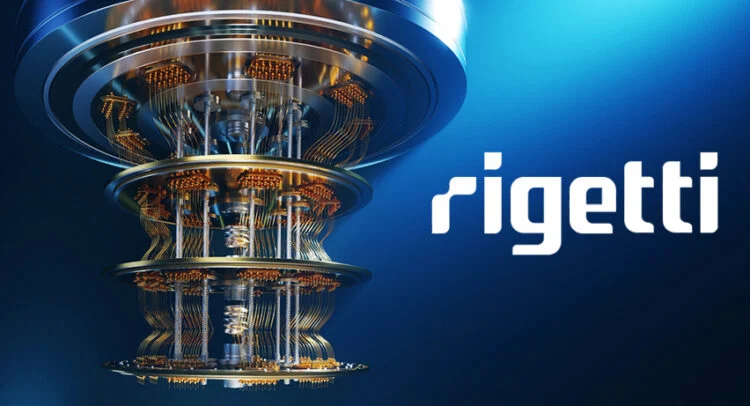
Rigetti Computing’s stock has been a *very* talked-about name in the world of quantum computing investments — partly because of strong price swings and partly because of how the business is still evolving. Some voices in the market have raised the idea that the stock could go to zero, which would mean the company becomes essentially worthless to shareholders. Let’s unpack what’s going on and why that scenario isn’t a simple certainty.
Quick Insight: When people talk about a stock going to zero, they’re usually referring to bankruptcy or a complete loss of all value. That outcome is rare for public companies with cash on hand — but uncertainty, volatility, and weak fundamentals can make some investors worried about risk.
Why Some Talk About Zero
There’s discussion online and in some investment commentary about whether speculative tech stocks could crash hard if growth doesn’t materialize. When a company earns little revenue while spending heavily on research and development, that can make some investors nervous about long-term profitability and sustainability. In cases where losses grow or a company runs out of cash, bankruptcy — and a stock going to zero — becomes a possibility that markets sometimes price in.
Rigetti has had periods of heavy share price swings and low revenue compared with its market capitalization, which contributes to volatility. That said, talk of a stock reaching zero often reflects extreme risk sentiment rather than an imminent reality.
What the Real Situation Looks Like
Rigetti continues to operate and develop its quantum computing technology — and it hasn’t gone bankrupt. The company still has substantial cash reserves that help fund ongoing research and operations, even though reporting periods have shown operating losses and revenue that hasn’t yet scaled to high levels.
Investors have taken differing views: some see long-term potential if the company executes on its ambitious technology roadmap, while others worry about the financial profile and execution risk of an early-stage tech firm in a highly speculative industry. This mix of optimism and caution is reflected in the stock’s price action.
Why the Stock Moves Around
A few key things influence Rigetti’s stock price fluctuations:
• **Market sentiment and speculation** — Quantum computing remains a high-risk, high-reward theme for many investors.
• **Financial performance** — Revenue and profit figures that don’t yet show profitability can make some investors nervous.
• **Technology milestones** — Progress on bigger quantum systems or new partnerships can boost optimism.
• **Industry competition** — Other quantum firms and alternative technologies shape expectations about who will “win” in the long run.
These factors can push traders to buy or sell quickly, which adds volatility — but it doesn’t necessarily signal that the company is on the brink of collapse.
Final Thoughts
Speculation about a stock going to zero often reflects extreme market sentiment rather than a clear prediction. Rigetti Computing is still developing technology, securing partnerships, and maintaining cash reserves. That doesn’t eliminate risk — far from it — but it also doesn’t mean the stock is guaranteed to collapse entirely.
Stocks in emerging tech sectors like quantum computing can be highly volatile, and their future performance depends on execution, funding, competition, and how soon the broader industry can commercialize key breakthroughs. Investors interested in such stocks should weigh both potential and risk carefully.
Tip: Investing in early-stage tech companies often means dealing with big share price swings and uncertainty. If you consider buying such stocks, make sure it aligns with your risk tolerance and long-term goals.






.jpeg)


















































.jpg)