Tesla Ends Autopilot and Pushes Full Self-Driving Subscriptions
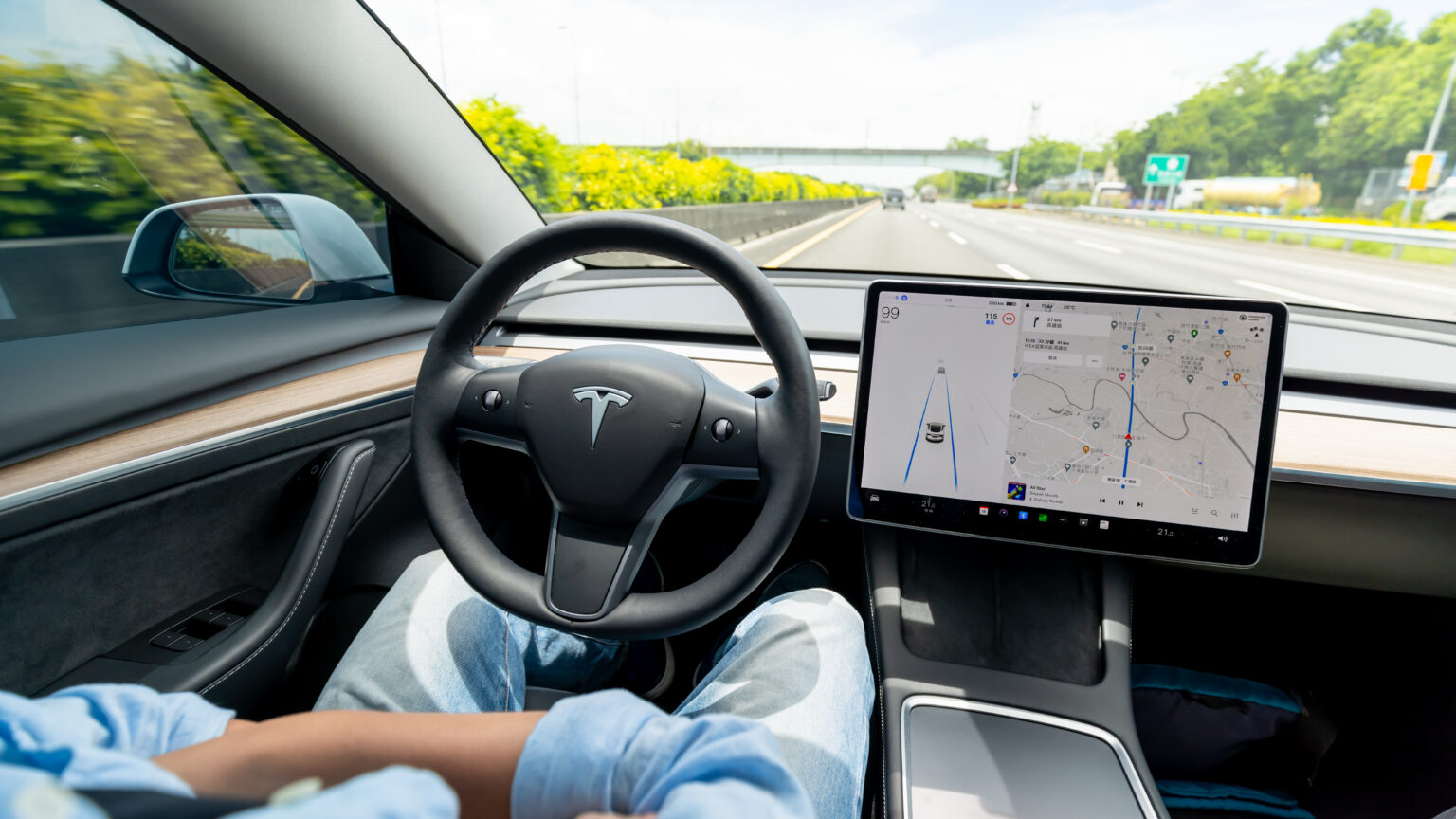
Tesla has officially **discontinued its Autopilot driver-assistance feature** on new vehicles in the United States and Canada, moving instead to focus entirely on its more advanced **Full Self-Driving (FSD)** system — but only available as a **monthly subscription**. This marks a major shift in how Tesla sells its software features and represents a broader move toward recurring revenue.
Key Insight: Autopilot, once included as a free driver-assist feature, is no longer standard on new Model 3 and Model Y vehicles. Now only **Traffic-Aware Cruise Control (TACC)** is included by default, while features like lane-centering and highway steering are part of FSD — and require a subscription.
What’s Changed for New Owners
Tesla’s online configurator now shows that new cars come standard with basic cruise control — but the more advanced driver-assistance and navigation features are part of the **FSD subscription** package. This includes highway lane-centering, automatic lane changes, traffic-aware navigation and city-street handling under supervision.
Until mid-February 2026, buyers can still make a one-time purchase of FSD for a fixed fee. After that date, **FSD will be available only via monthly subscription**, typically around $99 per month.
Why Tesla Is Making This Shift
Tesla’s decision to remove Autopilot and move to subscription-only FSD reflects a strategy to generate **recurring software revenue** — similar to how tech companies monetize apps and services. Subscription models can provide more predictable income over time, especially as vehicle sales slow and margins shrink.
CEO Elon Musk has suggested that the subscription price may increase as the capabilities of FSD improve, particularly once “unsupervised” driving — where a driver could be truly hands-off — becomes more viable.
Regulatory and Market Context
This change comes amid regulatory scrutiny, including actions in California over how Tesla marketed its driver-assistance technologies. Regulators argued that terms like “Autopilot” and “Full Self-Driving” could give consumers an overly optimistic impression of true autonomous capability. Removing Autopilot may help Tesla address those concerns.
At the same time, this shift aligns with Tesla’s broader position as a software-centric company, offering regular updates, AI-driven improvements, and services that extend beyond traditional vehicle ownership.
Final Thoughts
Tesla’s move to discontinue Autopilot and push drivers toward a subscription-only Full Self-Driving system signals a major evolution in how car features are monetized. While this may feel like a shift away from traditional ownership, it reflects a broader industry trend of treating software and AI-enabled services as ongoing experiences rather than one-time purchases.
For drivers, this raises questions about cost, value and how autonomous capabilities will evolve in the coming years. For Tesla, it could transform its revenue model and position the company more like a software-as-a-service provider.
Tip: If you’re considering a Tesla purchase, check how software features are packaged and whether a subscription model aligns with your long-term use and budget.





.jpeg)