25. January 2026
Admin
Elon Musk Says Tesla Could Begin Selling Humanoid Robots Next Year
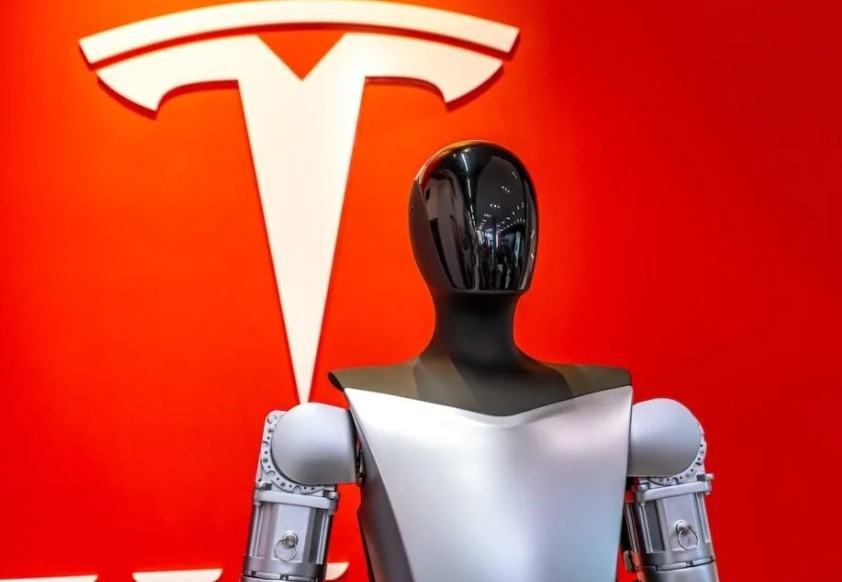
Tesla CEO Elon Musk recently shared that the company could begin selling its long-anticipated humanoid robot, known as Optimus, as early as next year. This ambitious timeline reflects Tesla’s deepening focus on robotics and artificial intelligence, alongside its well-known electric vehicle business.
Quick Insight:
Introducing a commercially available humanoid robot would mark a major milestone not just for Tesla, but for the broader robotics industry, pushing the boundary between futuristic concepts and real-world products.
What This Means for Tesla
• Optimus has been in development for several years, with the goal of creating a versatile robot capable of performing tasks that are labor-intensive or repetitive.
• Musk’s remarks suggest that the product has progressed enough in testing and design to support an initial release to the public.
• For Tesla, this would expand its product lineup far beyond electric vehicles, embedding robotics and AI deeper into the company’s strategy.
Challenges Still Ahead
• While the timeline is optimistic, developing humanoid robots that work reliably in everyday environments remains a complex engineering challenge.
• Past demonstrations have shown progress but also highlighted areas — like dexterity and mobility — that require further refinement.
• Bringing a sophisticated robotics product to market will require careful testing, quality control, and ongoing improvements.
Broader Industry Context
• Tesla is not alone in racing toward humanoid robots — companies around the world are developing similar technologies with varied approaches.
• China, in particular, has rapidly deployed thousands of commercial robots, highlighting how competitive this space has become.
• Making Optimus a commercial success could have implications for manufacturing, services, and everyday life.
Final Thoughts
Elon Musk’s projection that Tesla may start selling humanoid robots next year reflects an ambitious vision for the future of technology and labor. If realized, this step could reshape perceptions of what robotics companies can achieve and how humans and machines work together. However, the path from prototype to consumer product will require solving complex technical challenges and delivering consistent real-world performance.







1.jpeg)








.jpeg)