25. January 2026
Admin
Trump Threatens Canada With 100% Tariff Over Possible China Trade Deal
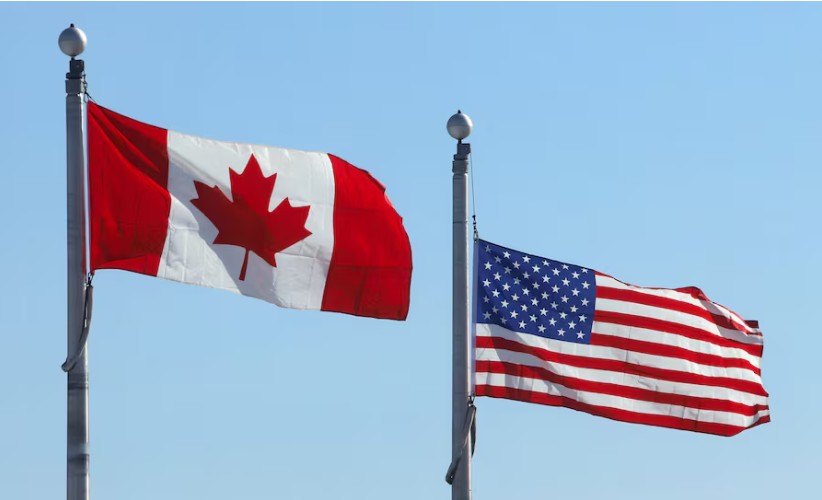
U.S. President Donald Trump has escalated tensions with Canada by threatening to impose a **100% tariff on all Canadian imports** if Canada moves ahead with a trade agreement involving China. The unprecedented warning has drawn sharp public attention and raised concerns about the future of North American trade relations.
Quick Insight:
A 100% tariff would effectively double the cost of Canadian exports to the United States and could dramatically reshape economic relations between the two neighboring countries.
The Core of the Tariff Threat
• The president warned that Canada could face a 100% tariff if it finalizes a trade deal with China, signaling deep concern about how that deal might affect U.S. markets.
• He suggested that sending Chinese goods through Canada could undermine American industrial competitiveness and national interests.
• This represents a major escalation from previous tariff disputes and reflects growing geopolitical competition tied to China’s global economic role.
Political Rhetoric and Public Statements
• In public messages, the president used strong language to underline his view that such a trade deal could harm Canada’s economy.
• The tariff threat followed a period of heated exchanges between the two leaders over broader international policy, including comments made at international forums.
• These exchanges have contributed to a shift in tone between the U.S. and Canadian governments.
Economic Stakes and Impact
• A sweeping tariff of this scale could have far-reaching effects on Canadian industries like auto manufacturing, agriculture, and machinery.
• Canada is one of the United States’ largest trading partners, with billions of dollars in cross-border goods flowing each year.
• If imposed, such tariffs would significantly raise costs for Canadian exporters and could disrupt integrated supply chains across North America.
Diplomatic and Trade Relations
• The tariff threat adds strain to a bilateral relationship long centered on cooperation and mutual economic benefit.
• Canada’s leadership has been navigating trade diversification, including closer ties with China, while affirming its long-standing partnership with the United States.
• How both countries respond diplomatically in the coming weeks will be closely watched by markets and international partners alike.
Final Thoughts
The threat of a 100% tariff marks a significant escalation in trade policy and international rhetoric. If enacted, such a move could trigger broad economic consequences and reshape North American commerce. As both governments navigate this dispute, the outcome will have implications not just for Canada and the United States, but also for global trade patterns and geopolitical alliances.