How B-2 Bomber Pilots Sleep and Rest During Extended Missions
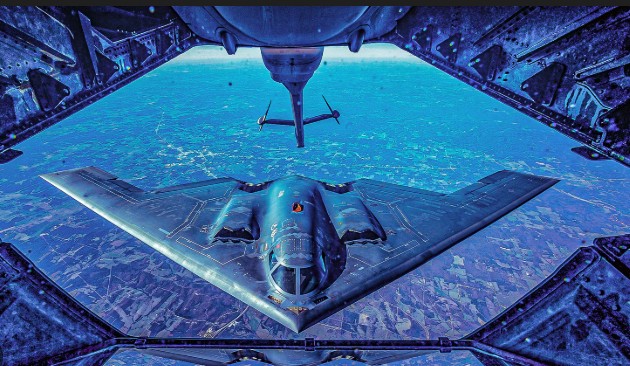
B-2 Spirit stealth bomber missions can last for many hours — sometimes more than a day at a time — requiring pilots to manage fatigue, maintain alertness, and ensure operational effectiveness during long-range flights. Because sleep opportunities are limited in the cockpit, aircrews use carefully planned strategies to rest, maintain focus, and rotate duties.
Quick Insight:
Flying a B-2 on extended missions demands discipline, teamwork, and specific techniques for managing sleep and rest in an environment without dedicated bunks or traditional sleep facilities.
Shared Duties and Crew Rotation
• B-2 bomber missions typically involve two pilots — a mission commander and a copilot — who share navigation, communication, and flying responsibilities.
• By dividing tasks and alternating key duties, each pilot can reduce sustained cognitive load and avoid fatigue buildup during long legs.
• The crew practices structured rotation, ensuring each pilot has a period to rest mentally while the other handles primary tasks.
In-Flight Rest Techniques
• Although the B-2 cockpit does not contain a full bunk or traditional sleeping facilities, pilots use specially designed seating adjustments, headrests, and harness systems to recline safely for brief rest intervals.
• Short, strategic naps — sometimes called “power naps” — help restore alertness and cognitive function during extended flight phases.
• These brief rest periods are planned around key mission phases to minimize the risk of missing critical operations or communications.
Napping and Alertness Strategies
• Pilots often follow pre-mission sleep schedules to be well-rested before takeoff, improving endurance during long sorties.
• Inflight, they use controlled napping techniques aimed at maximizing rest without entering deep sleep that could reduce readiness.
• Crew members also rely on environmental cues like cabin lighting, controlled noise exposure, and timing of meals to maintain alertness and regulate their circadian rhythms.
Training and Preparation
• Before flying long missions, B-2 pilots undergo rigorous training in fatigue management, decision-making under stress, and techniques for sustaining situational awareness.
• Simulators and practice flights help aircrews build familiarity with extended mission conditions, including how to handle rest breaks and maintain power through critical segments.
• Leadership and communication skills are emphasized to ensure the crew can coordinate rest cycles without disruption to mission priorities.
Final Thoughts
Operating long-range strategic aircraft like the B-2 Spirit requires thoughtful approaches to sleep and rest, balancing human limitations with mission demands. Through shared duties, strategic rest planning, and specific training, pilots maintain performance and safety on missions that push endurance and coordination to the limit.