19. January 2026
Admin
AI Data Centers Drive Up Electricity Demand and Cost in 2026
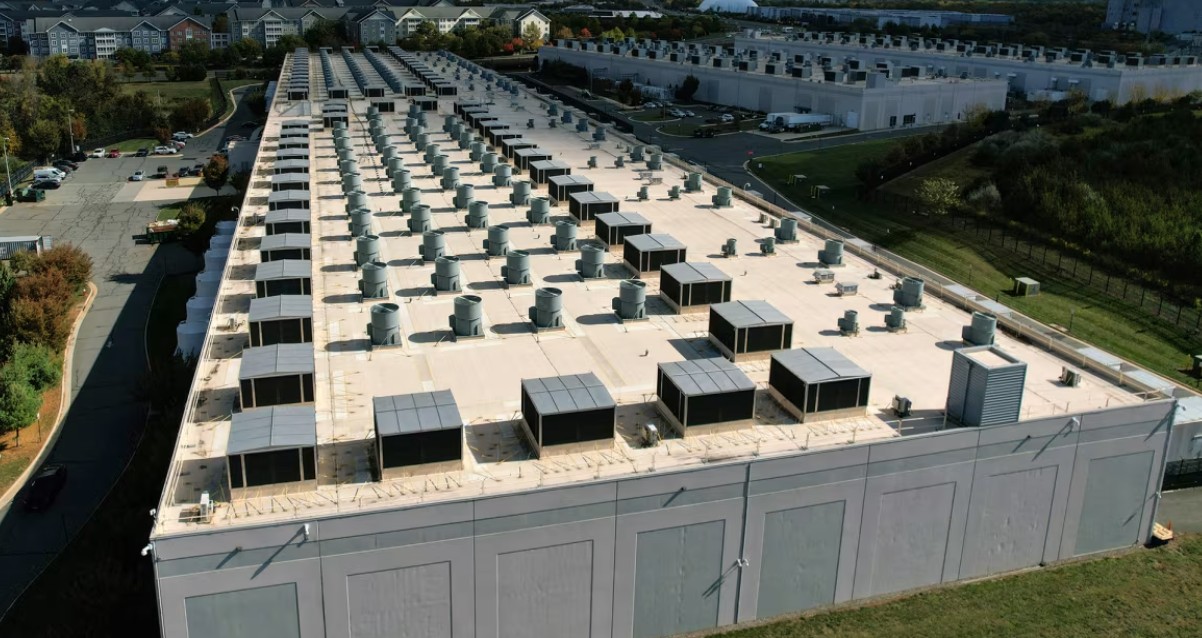
The rapid expansion of artificial intelligence infrastructure in 2026 is placing unprecedented pressure on power grids, driving up electricity demand and contributing to higher costs for consumers and utilities. AI data centers — the backbone of advanced computing and machine learning services — require enormous amounts of energy, and their growing footprint is reshaping how electricity systems cope with surging load.
Quick Insight:
As more AI facilities come online, grid operators, policymakers, and power suppliers are wrestling with how to balance skyrocketing demand with reliability, cost, and fairness for everyday ratepayers.
Surging Electricity Demand From AI Infrastructure
• AI-focused data centers consume large amounts of electricity to power servers, cooling systems, and supporting equipment, and their collective demand is growing rapidly.
• National projections show that data centers could account for a significant share of total electricity use in the coming years, increasing strain on aging infrastructure and creating new challenges for utilities.
• The rapid rise in demand has prompted special initiatives and coordination efforts between government officials and grid operators to prevent outages and ensure capacity keeps pace with growth.
Impact on Utility Costs and Consumer Bills
• In regions with heavy concentrations of data centers, electricity costs experienced notable increases as utilities invest in grid upgrades and capacity to meet new consumption peaks.
• Some residential customers are indirectly feeling the impact through higher supply and infrastructure charges as utilities balance load and expand generation resources.
• Debates are intensifying over how costs should be allocated so that large energy consumers do not place disproportionate burdens on average households.
Policy Responses and Market Adjustments
• Federal and state leaders have called for emergency measures — including special power auctions and revised rate structures — to ensure that electricity systems can support both traditional users and fast-growing AI facilities.
• Grid operators are introducing strategic plans to manage load surges, including possible requirements for large power consumers to contribute to new generation or curtail draw during peak periods.
• Utilities and technology companies are negotiating how to share the cost of necessary upgrades, with some tech firms agreeing to higher rates to offset their infrastructure demands.
Long-Term Grid and Energy Strategy Challenges
• The trend toward higher power consumption highlights the need for broader energy planning, including increased investment in generation, transmission upgrades, and renewable integration.
• Data centers also raise concerns about water use for cooling and environmental sustainability, prompting calls for more efficient design and resource management.
• Balancing commercial growth with energy affordability and grid reliability will continue to be a central focus for regulators and industry leaders as AI adoption accelerates.
Final Thoughts
The electricity landscape in 2026 reflects the immense energy requirements of modern AI data centers and the complex trade-offs involved in supporting their growth. As demand climbs and infrastructure strains become more visible, policymakers, grid operators, and communities are adapting to ensure reliable service while managing costs fairly. The ongoing evolution of energy systems will be crucial to sustaining both technological progress and everyday power needs.