What a Kevin Warsh Federal Reserve Chairmanship Could Mean for U.S. Interest Rates
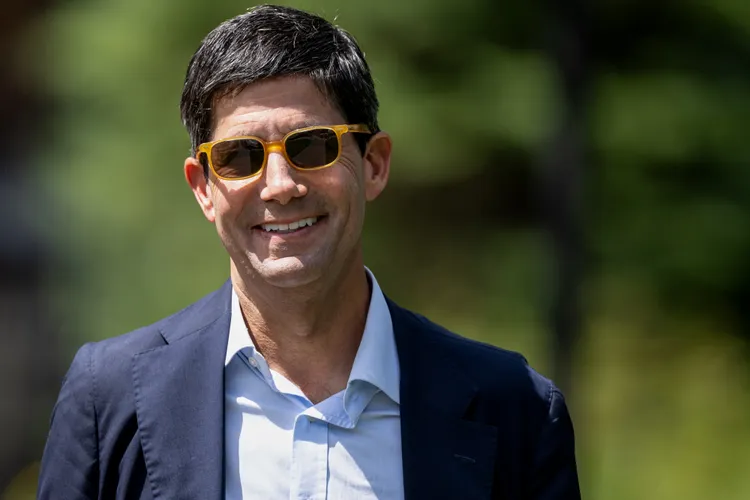
Growing speculation that Kevin Warsh could emerge as the next Chair of the U.S. Federal Reserve has sparked renewed debate across global financial markets. Investors, policymakers, and businesses are closely assessing what his leadership style could mean for interest rates, inflation control, and long-term economic stability.
Interest Rates Likely to Stay Higher for Longer
A Warsh-led Federal Reserve would likely resist rapid interest rate cuts. Monetary policy under his leadership is expected to remain tight until inflation is clearly and sustainably under control. This approach reflects concerns that early easing could undo progress made against price instability.
Gradual and Data-Driven Policy Direction
Rather than reacting to short-term market pressures, interest rate decisions would likely be based on key economic indicators such as inflation trends, labor market strength, and financial system resilience. Any rate cuts would probably occur gradually, reinforcing predictability and policy discipline.
Strong Emphasis on Inflation Credibility
Preserving the Federal Reserve’s credibility in fighting inflation would be central to policy decisions. Maintaining restrictive rates for longer could help anchor inflation expectations, support the strength of the U.S. dollar, and reinforce global confidence in U.S. monetary leadership.
Impact on Borrowers and Savers
Higher interest rates for an extended period could keep mortgage costs, consumer loans, and business financing relatively expensive. While borrowers may feel pressure, savers and fixed-income investors could benefit from sustained higher yields.
Market and Economic Implications
Equity markets may face near-term volatility as expectations of quick easing fade. Bond markets, however, could benefit from clearer policy direction and reduced uncertainty. Overall, financial conditions would likely favor stability over rapid expansion.
Final Thoughts
A Kevin Warsh Federal Reserve would likely signal a cautious, credibility-first approach to monetary policy. Interest rates may eventually decline, but the path would be slower, more deliberate, and firmly tied to inflation control rather than short-term economic stimulus.







.jpeg)