How Urbanization Creates New Disease Vectors

Rapid urbanization is reshaping ecosystems, creating conditions for new disease vectors to thrive. From crowded slums to sprawling industrial zones, human development unintentionally provides breeding grounds for pathogens and their carriers.
1. Stagnant Water and Mosquitoes
Poor drainage, clogged gutters, and water storage practices in urban areas create ideal breeding sites for mosquitoes, spreading diseases like dengue, Zika, and malaria.
The bitter truth: urban infrastructure often favors insects that carry deadly pathogens.
2. Rodents and Waste Management
Accumulated garbage, open landfills, and poor sanitation attract rats and mice, which transmit leptospirosis, hantavirus, and other infectious diseases.
The bitter truth: human neglect becomes a vector for disease.
3. Wildlife Encroachment
Expanding cities push humans into forests and wetlands, increasing contact with wild animals and exposing populations to novel viruses.
The bitter truth: our expansion creates new pathways for zoonotic outbreaks.
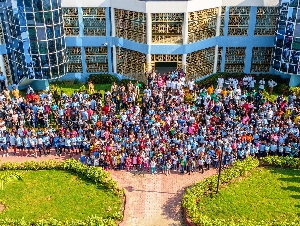
4. High Population Density
Dense living conditions facilitate rapid transmission of respiratory infections, including influenza, tuberculosis, and emerging pathogens.
The bitter truth: human proximity accelerates diseases once contained in nature.
5. Climate and Urban Microenvironments
Heat islands, pollution, and altered humidity in cities influence vector behavior and pathogen survival, amplifying the risk of outbreaks.
The Bitter Reality
Urbanization is not just a social and economic phenomenon—it is a biological driver that reshapes the ecology of disease.
Final Bitter Truth
Modern cities, built for convenience and growth, inadvertently engineer the spread of infectious diseases, reminding humanity that development has unseen biological consequences.