The Rise of AI in Diagnosing Cancer: Promise and Risk
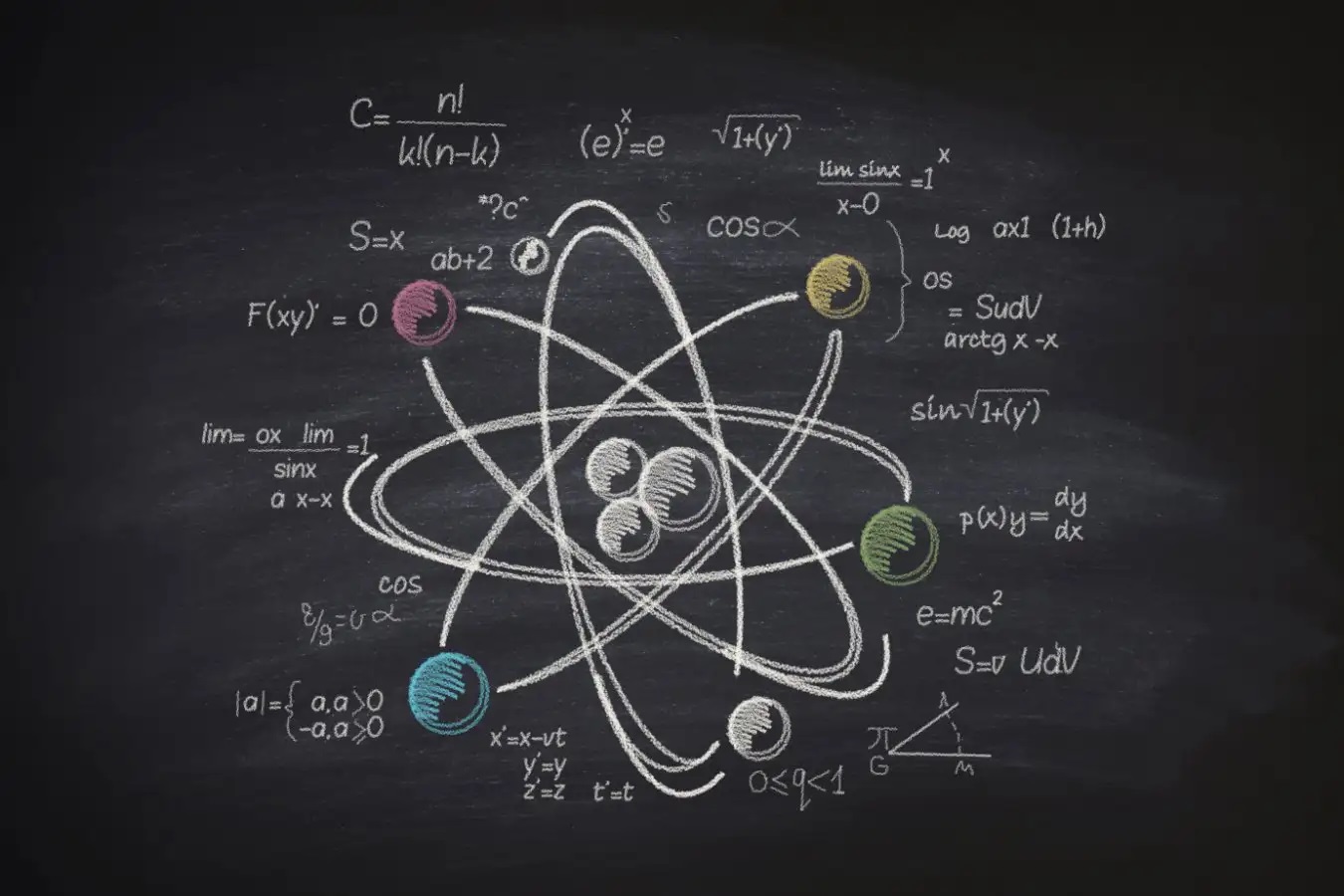
Artificial Intelligence is transforming cancer diagnostics, analyzing scans and medical data faster than any human doctor. While this offers unprecedented accuracy and early detection, it also raises serious ethical, privacy, and reliability concerns.
1. Enhanced Detection Capabilities
AI can detect subtle patterns in imaging, often identifying tumors earlier than traditional methods, potentially saving lives through faster treatment.
The bitter truth: even the most advanced technology cannot replace human judgment entirely.
2. Dependence on Algorithms
- Misdiagnosis can occur if AI is trained on biased or incomplete data
- Over-reliance may reduce doctors’ critical thinking
- Errors could go unnoticed without proper oversight
- Data interpretation may vary across systems
The bitter truth: trust in AI can be dangerous if not carefully monitored.
3. Privacy and Data Security
AI systems require massive patient data. Breaches or misuse of sensitive medical records could expose patients to harm or exploitation.
The bitter truth: your medical data may not be as private as you think.
4. Accessibility and Inequality
Advanced AI diagnostics may be available only in wealthy regions, leaving underserved populations dependent on slower, less accurate methods.
The bitter truth: technology may widen healthcare gaps instead of closing them.
5. Long-Term Implications
AI’s role in medicine will expand, but the balance between automation and human oversight will determine whether it truly benefits patients or introduces new risks.
The Bitter Reality
AI offers hope for early cancer detection, but reliance on algorithms brings unpredictability, bias, and ethical dilemmas that cannot be ignored.
Final Bitter Truth
The rise of AI in diagnosing cancer forces humanity to confront a difficult reality: technology may save lives, but without vigilance, it can also fail silently, putting trust, privacy, and health at risk.













.jpeg)