17. January 2026
Admin
Lagos Sets ₦5,000 Fee for 2026 Placement Test for Private Schools
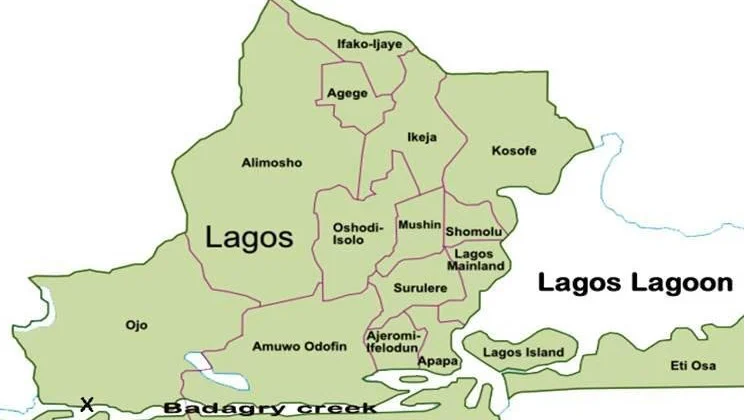
The Lagos State Ministry of Basic and Secondary Education has announced that **e‑registration for the 2026 Universal Basic Education (UBE) placement test** will run from **January 26 to April 30, 2026**, for pupils transitioning from **Primary Six to Junior Secondary School (JSS)** across the state.
Quick Insight:
While **public primary school pupils register for free**, **approved private schools must pay a fee of ₦5,000 per candidate** to register their pupils for the placement test — a key step toward securing a place in junior secondary schools in Lagos State.
Placement Test Fee Structure
• Pupils in **public primary schools** will **not pay any registration fee** to participate in the 2026 placement test.
• For **approved private primary schools**, the government has set a **₦5,000 fee per pupil** to complete registration for the placement test.
• The payment must be made through the **Lagos State Central Billing System (CBS)**.
Registration Timeline and Eligibility
• **E‑registration opens** on **January 26, 2026**, and runs through **April 30, 2026**.
• Only **Primary Six pupils** in public and approved private schools across Lagos State are eligible to participate.
• The newly issued **School Code** is compulsory for all participating schools.
How Public and Private Schools Register
• **Public Primary Schools:** Schools must download the **Offline Data Capturing Application** from the Lagos State Examinations Board website to register their pupils.
• **Approved Private Schools:** Schools are required to access the Board’s portal and **complete payment and registration online**.
• School authorities are urged to ensure that parents and guardians are **properly informed** about registration procedures and deadlines.
Final Thoughts
The introduction of a ₦5,000 placement test fee for private school pupils marks a significant update in the Lagos State basic education assessment process. By standardising the registration fee and timeline, the state is aiming to ensure a structured transition for pupils from primary to junior secondary education, while making the process free and inclusive for public school pupils.


1.jpeg)
.jpeg)