Bill Gates isn’t even close to America’s largest private landowner. It’s ‘Silent Stan’ Kroenke
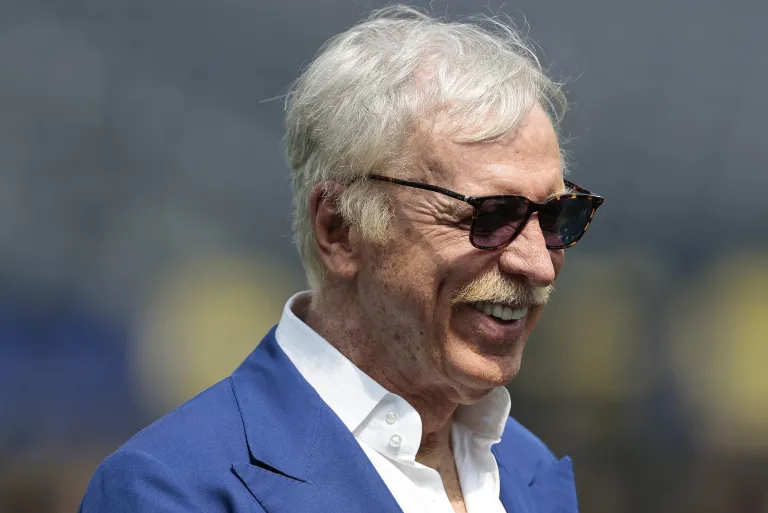
In 2026, an analysis of land ownership in the United States reveals that **billionaires like Bill Gates and Stan Kroenke** are among the largest private landowners in the country. Their vast holdings span multiple states and include significant agricultural, ranching, and timber properties — highlighting how private land ownership in the U.S. has mirrored wider wealth concentration patterns.
Quick Insight:
Large private land portfolios owned by ultra-wealthy individuals reflect a blend of investment strategy, personal interest, conservation priorities, and influence over rural land use.
Who Owns the Land?
• **Bill Gates** is often recognised as the **largest private farmland owner** in the United States, with extensive agricultural properties across several states.
• **Stan Kroenke**, owner of the NFL’s Los Angeles Rams and other sports franchises, holds massive ranches and land estates, particularly in the western U.S.
• Other major private landowners include prominent families, investors, and corporations with timber, ranching, or recreational property portfolios.
• These holdings often span tens of thousands to hundreds of thousands of acres in states such as Montana, Arkansas, Nebraska, and Louisiana.
Reasons for Large Land Holdings
• **Investment and Wealth Preservation:** Land can act as a stable long-term asset that diversifies investment portfolios and protects against market volatility.
• **Agricultural Production:** Farmland generates income through crop production, leasing, or sustainable farming operations.
• **Conservation Interests:** Some owners prioritise land stewardship and environmental preservation, using their properties for habitat protection or sustainable forestry.
• **Lifestyle and Legacy:** Large ranches and estates also represent personal interests, family heritage, and status symbols for some owners.
Public and Policy Implications
• The concentration of private land raises questions about **land access**, **rural economic control**, and **land use policy** at both state and national levels.
• Critics argue that vast private holdings can limit public access to natural resources and shape regional development priorities.
• Supporters emphasise the potential for landowners to contribute to conservation and local employment through responsible land management.
• Policymakers continue to debate how to balance private ownership rights with broader community and environmental goals.
Final Thoughts
The fact that billionaire investors and business leaders sit among the largest private landowners in the U.S. underscores broader themes in wealth distribution and resource control. Whether viewed as strategic investment, stewardship opportunity, or concentration of influence, these holdings remain a defining feature of the American economic landscape.