16. January 2026
Admin
U.S. and Taiwan Strike Major Semiconductor Chips Trade and Investment Deal
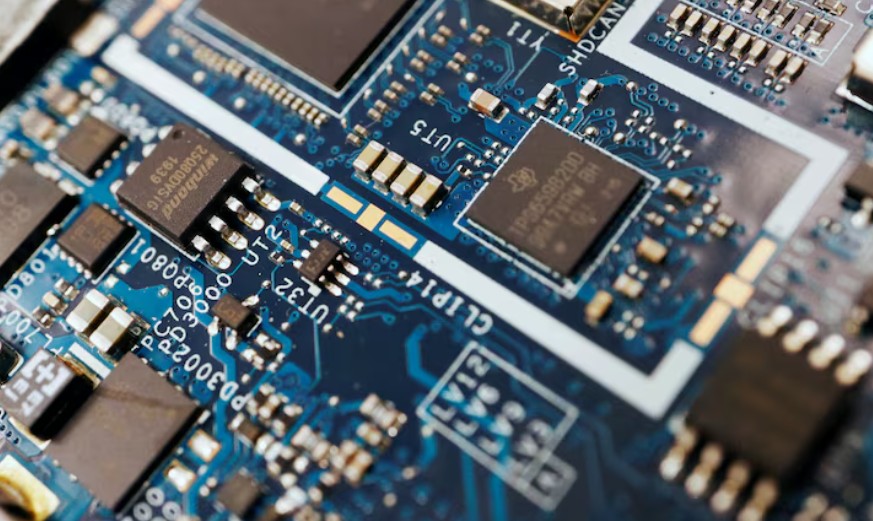
In January 2026, the United States and Taiwan announced a landmark trade agreement focused on strengthening semiconductor industry cooperation, boosting investments in advanced technology, and fostering closer economic ties. The pact includes tariff reductions on Taiwanese exports and commitments to support expanded semiconductor production in the U.S., a strategic priority amid global competition in cutting-edge technology.
Quick Insight:
This deal emphasizes economic collaboration in key high-tech sectors like semiconductors, AI and energy, while also reshaping trade dynamics and potentially influencing geopolitical tensions in the Asia-Pacific region.
Tariff Reductions and Trade Terms
• Taiwan and the U.S. agreed to reduce reciprocal tariffs on a broad range of Taiwanese exports, lowering the rate from 20% to 15%.
• Certain products such as generic pharmaceuticals, aircraft components, and select natural resources will be exempt from reciprocal tariffs.
• Taiwanese companies that expand semiconductor production operations in the U.S. can benefit from preferential tariff treatment.
• These tariff adjustments are designed to make bilateral commerce more competitive and support technology supply chain integration.
Investment Commitments in U.S. Technology
• Taiwanese semiconductor and technology firms committed to making **at least $250 billion in direct investment** to build and expand manufacturing and innovation capacity in the United States, including sectors like semiconductors, artificial intelligence, and energy.
• Taiwan also pledged to provide **credit guarantees of an additional $250 billion** to facilitate further investment by Taiwanese companies and support the development of industrial ecosystems.
• These investments aim to strengthen U.S. domestic manufacturing capacity and foster technology clusters across key states.
• Chipmakers such as TSMC are expected to accelerate construction of U.S. facilities, including advanced packaging and fabrication plants.
Strategic and Industry Impacts
• The deal is seen as a major boost for the U.S. semiconductor supply chain, potentially creating jobs and encouraging deeper technology collaboration.
• It may generate greater demand for equipment and materials from suppliers involved in chipmaking and related industries.
• By lowering trade barriers and encouraging investment, the partnership seeks to reduce supply chain vulnerabilities and enhance competitiveness against global rivals.
• Observers note that the agreement could heighten geopolitical tensions, particularly with China, which views Taiwan as part of its territory.
Final Thoughts
The U.S.–Taiwan semiconductor trade deal represents a significant strategic shift in global technology policy, blending economic diplomacy with efforts to bolster domestic industrial capacity. By combining tariff relief with substantial investment commitments, both nations aim to secure leadership in advanced chip technologies and reinforce their roles in the rapidly evolving global tech landscape.